


- Official Website
- prev
- next
Gallery

Regional Identity
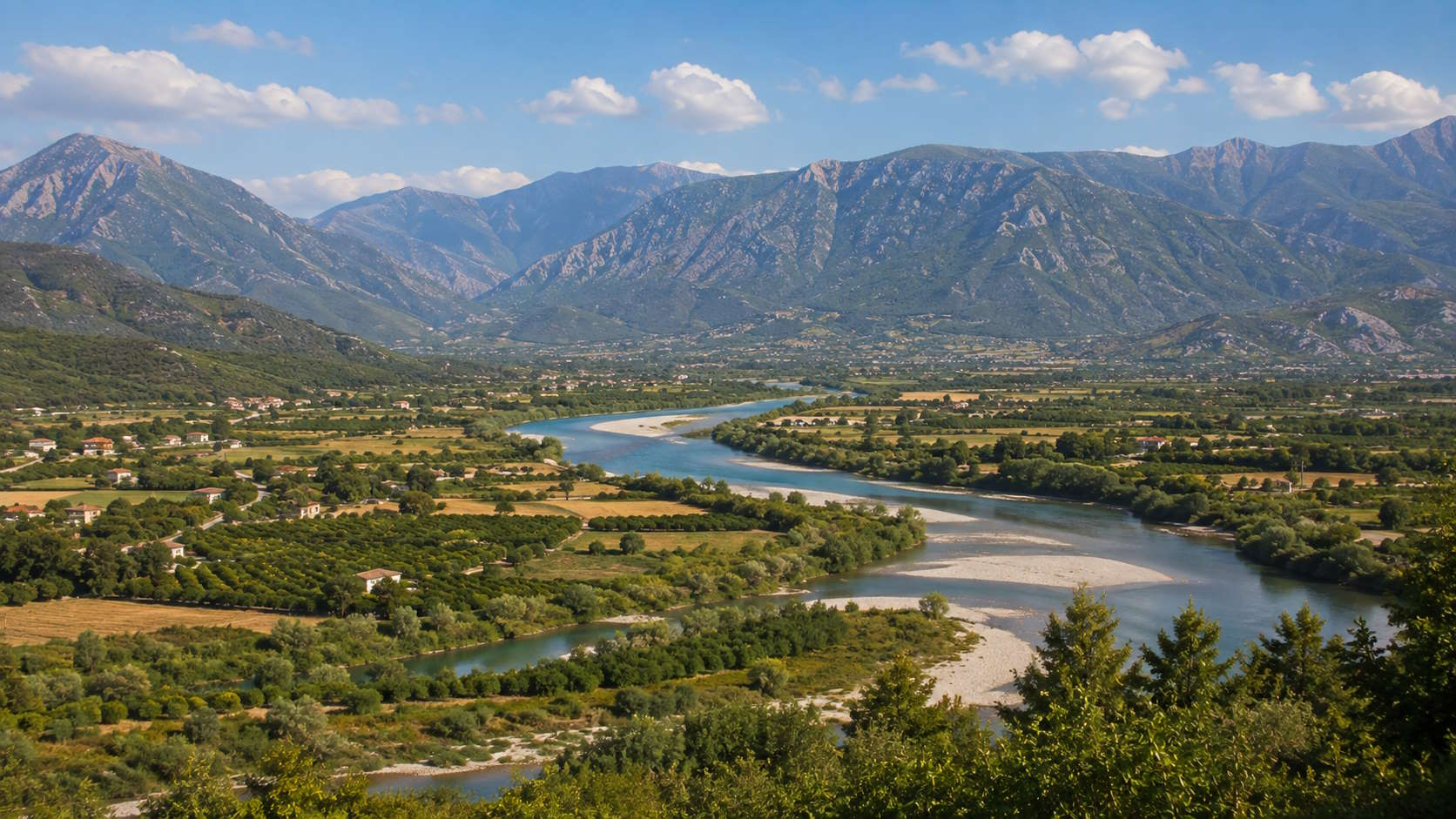
Arta is one of the historic regions of Epirus in northwestern Greece, known for its Byzantine heritage, mountain landscapes, rivers, traditional villages and strong connection to the cultural identity of Epirus. Located between the Pindus mountains and the Ambracian Gulf, the region combines fertile plains, wetlands, forests and mountainous terrain with centuries of history and tradition.
The city of Arta, built on the banks of the Arachthos River, serves as the administrative and cultural center of the region. Arta is especially famous throughout Greece for the legendary Bridge of Arta, one of the most recognizable stone bridges in Greek folklore and history. The bridge is closely connected to traditional Greek songs and legends that remain deeply rooted in local culture and collective memory.
Historically, the region traces its origins back to ancient Ambracia, founded by Corinthians in antiquity. During the Byzantine era, Arta became one of the most important cities of Epirus and later served as the capital of the Despotate of Epirus after the fall of Constantinople in 1204. This Byzantine legacy remains visible today through churches, monasteries and preserved monuments across the region.
Arta is widely recognized for its Byzantine architecture and religious heritage. Important landmarks include the Church of Parigoritissa, Byzantine monasteries and historic churches that reflect the spiritual and artistic tradition of Epirus. The medieval castle of Arta and the ancient theatre of Amvrakia further connect the region to both Byzantine and ancient Greek history.
The wider region includes fertile agricultural plains, mountainous villages and important natural ecosystems. The Ambracian Gulf wetlands, protected under international environmental agreements, represent one of the most important ecological habitats in Greece and Europe. Rivers, valleys and mountain routes shape much of the local landscape and identity.
Traditional villages in the Tzoumerka mountains preserve Epirus architecture, stone-built settlements, local customs and mountain traditions. Folk music, clarinet traditions, regional cuisine and Orthodox celebrations remain central to local life and cultural identity.
Agriculture, livestock farming, citrus production and tourism continue to support the regional economy. Local products, traditional foods and mountain tourism increasingly contribute to the modern image of the region.
Today, Greeks originating from Arta maintain strong emotional and cultural ties with their homeland through village roots, family traditions, Orthodox faith, Epirot heritage and the preserved identity of Epirus shared across Greece and throughout the global Greek diaspora.
News

Οι τελευταίες ειδήσεις από arta2day.gr
- Ιόνια Οδός: Συνελήφθη με 11.000 ευρώ για αποδοχή προϊόντων εγκλήματος
- Αυτοκίνητο «προσγειώθηκε» σε αυλή σπιτιού – Νοσηλεύεται η οδηγός
- «Αναδυόμενες Αφηγήσεις» στην Άρτα – Συμμετέχει η Υπατία Κορνάρου με το «Rare»
- Η επίσημη παρουσίαση του Πανελλήνιου Συλλόγου Echo Pain στην Άρτα
- Ολοκληρώθηκε διήμερη δράση της Διεύθυνσης Αστυνομίας Άρτας με επίκεντρο τα παιδιά