


- Official Website
- prev
- next
Gallery
Regional Identity
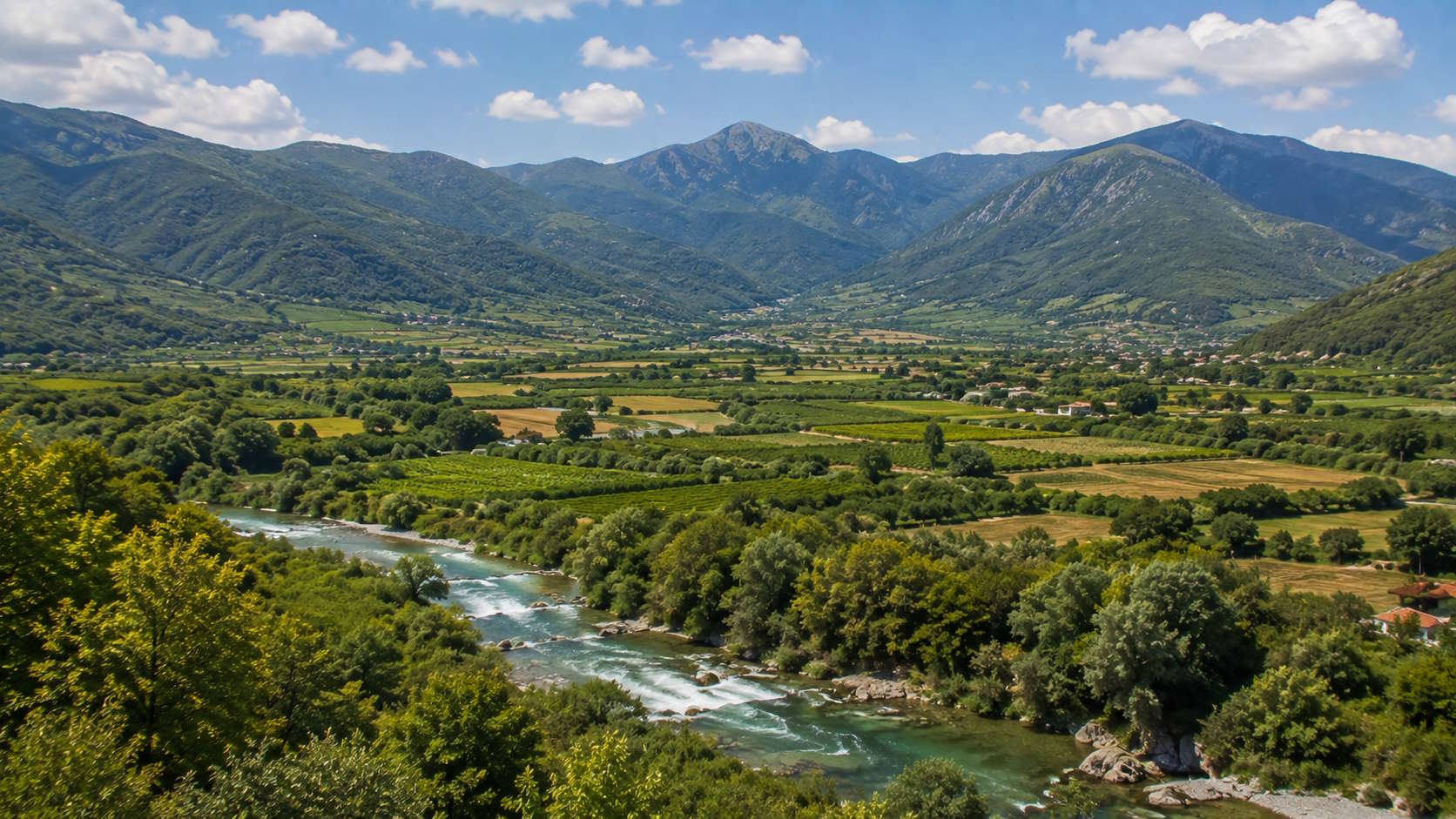
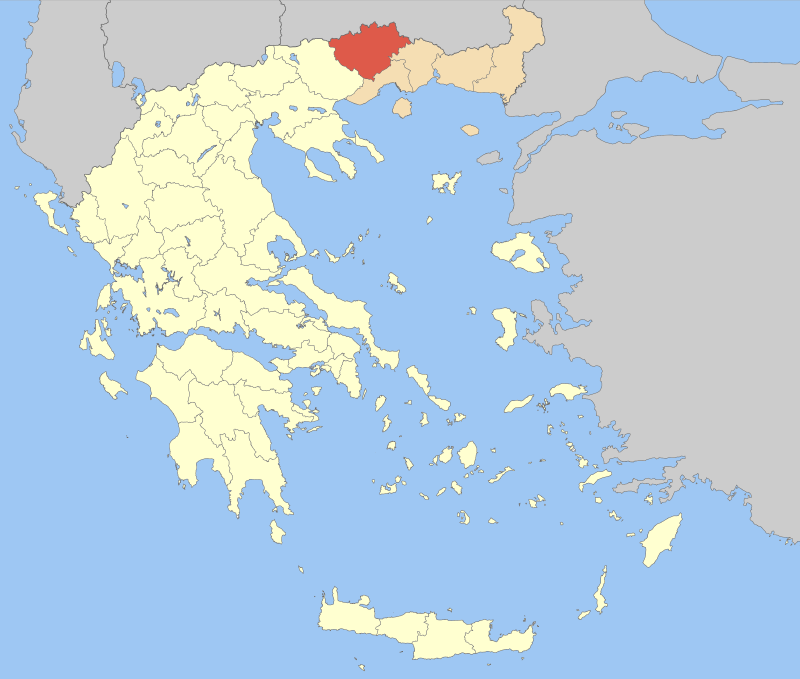
Drama is one of the most scenic and mountainous regional units of Northern Greece, located in Eastern Macedonia and Thrace near the border with Bulgaria. The region is known for its forests, rivers, caves, mountains, fertile plains and strong cultural traditions that connect nature, history and local identity.
The city of Drama is the capital and economic center of the region. Built near the slopes of Mount Falakro, Drama is famous for its natural springs, green parks, rich vegetation and vibrant cultural atmosphere. The area combines mountain landscapes with fertile agricultural land, historically known for tobacco cultivation and agricultural production.
Drama is internationally recognized for its natural beauty. The Falakro mountain range dominates the landscape and is home to ski centers, hiking routes and mountain refuges. Dense forests such as the forest of Elatia (Karadere) contain fir, oak, beech and red pine trees and form one of the most important forest ecosystems in Greece.
The region is also known for caves, rivers and natural landmarks, including the famous cave systems of Eastern Macedonia and the protected natural environment surrounding the Nestos River area. Throughout the year, Drama attracts visitors interested in nature tourism, winter tourism, hiking and traditional Macedonian culture.
The city itself preserves important historical and cultural landmarks, including Byzantine walls, archaeological collections, ecclesiastical museums and traditional Macedonian architecture. The park of Agia Varvara, built around natural water springs in the center of the city, is one of the most recognizable landmarks of Drama.
Agriculture remains an important part of the regional economy, alongside forestry, tourism and local food production. Traditional villages across the mountains and plains preserve customs, religious celebrations and local cultural identity that continue to connect generations of Greeks from the region.
Today, Greeks originating from Drama maintain strong family and cultural ties with their homeland through local traditions, village roots, community celebrations and shared Macedonian heritage preserved both in Greece and throughout the global Greek diaspora.
News
Οι τελευταίες ειδήσεις από proinos-typos.gr
- Πενήντα πέντε αθλήτριες του ΣΕΡΓ και της Άρτεμις Δράμας στο Πανευρωπαϊκό Πρωτάθλημα του Σαμοκόβ
- Στις 30 Σεπτεμβρίου τα μέτρα για τα καύσιμα, στις 14 Οκτωβρίου για το πετρέλαιο θέρμανσης Η ιδιαιτερότητα του λεκανοπεδίου Κ. Νευροκοπίου και το επίδομα θέρμανσης
- Εκτός αποζημιώσεων παραμένουν οι καλλιεργητές μηδικής στο Δ. Δοξάτου Απαντήσεις του υφυπουργού ΥΠΑΑΤ κ. Ανδριανού Με επίκαιρη ερώτηση Νικολαΐδη στη Βουλή
- «Όταν η τέχνη κραυγάζει: Η κραυγή ως ήχος και εικόνα, με αφετηρία την «Κραυγή» (Der Schrei der Natur, 1893) του Edvard Munch (1863-1944)» Στο Κοινωφελές Ίδρυμα-Πνευματικό Κέντρο «Αιμίλιος Θεοχάρη Καλαϊτζίδης»
- «Όταν η τέχνη κραυγάζει: Η κραυγή ως ήχος και εικόνα, με αφετηρία την «Κραυγή» (Der Schrei der Natur, 1893) του Edvard Munch (1863-1944)» Στο Κοινωφελές Ίδρυμα-Πνευματικό Κέντρο «Αιμίλιος Θεοχάρη Καλαϊτζίδης»