


- Official Website
- prev
- next
Gallery

Regional Identity
Ioannina is the cultural and historical heart of Epirus, known for its dramatic mountain landscapes, stone-built villages, deep-rooted traditions and rich intellectual heritage. Located in northwestern Greece near the Albanian border, the region combines alpine scenery, Byzantine history, lakes, rivers and some of the most authentic traditional settlements in the country.
The region is dominated by the mountains of Pindos and Tymfi, creating one of the most impressive natural environments in Greece. Forests, rivers, gorges and alpine lakes shape the landscape of Ioannina, while areas such as Zagori, Konitsa and Metsovo preserve the strong mountain identity of Epirus through architecture, craftsmanship and local customs.
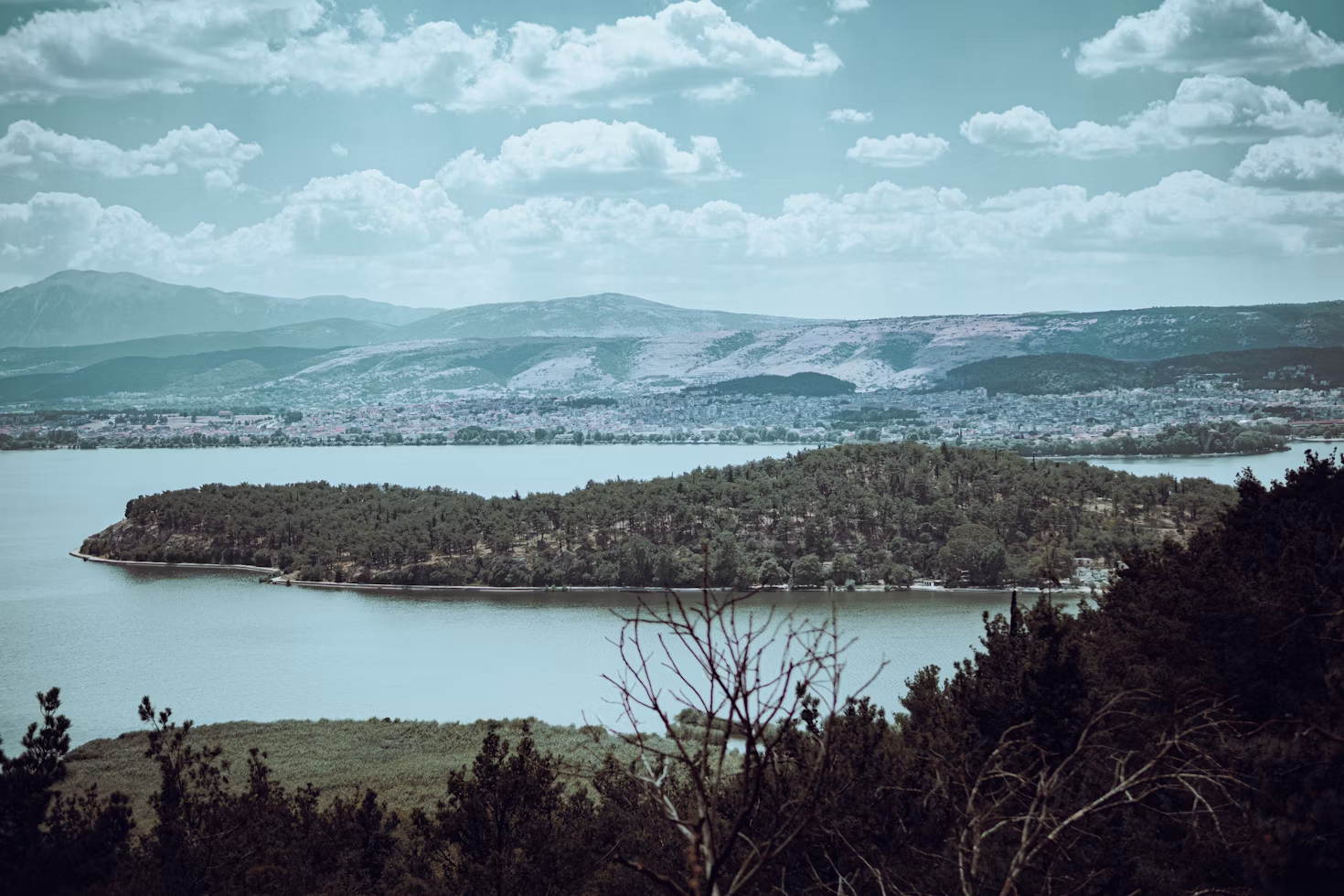
The city of Ioannina, built beside Lake Pamvotida, serves as the administrative, cultural and economic center of Epirus. Known for its lakeside setting, historic castle, Ottoman and Byzantine heritage, universities and intellectual tradition, the city has played an important role in the history and cultural development of northwestern Greece for centuries.
The Zagorochoria, a network of traditional stone villages in the mountains of Zagori, are among the most iconic cultural landscapes of Greece. Stone mansions, arched bridges, cobbled paths and traditional Epirotic architecture preserve a unique mountain civilization deeply connected to nature and local community life. The nearby Vikos Gorge, one of the deepest gorges in the world, further defines the extraordinary natural identity of the region.
Metsovo, Konitsa, Kalarrytes and the mountain settlements of Tzoumerka preserve strong Vlach, Epirotic and mountain traditions through local architecture, craftsmanship, music, cuisine and pastoral culture. Stone-built houses, monasteries, bridges and historic trade routes continue to reflect the region’s long connection to commerce and mountain life.
Ioannina is also deeply associated with important historical and cultural landmarks, including the ancient oracle of Dodoni, one of the oldest sacred sites of ancient Greece. Byzantine monasteries, Ottoman monuments, museums and traditional settlements throughout the region reflect the historical continuity of Epirus from antiquity to modern Greece.
Traditional Epirotic music, silver craftsmanship, wood carving, weaving and local gastronomy remain central elements of the regional identity. The mountainous geography of Ioannina helped preserve local customs and strong community traditions across generations.
Today, communities and diaspora families originating from Ioannina and the wider Epirus region continue to preserve strong emotional and cultural ties with their ancestral homeland, maintaining family roots, Epirotic traditions and mountain heritage across generations worldwide.
News

Οι τελευταίες ειδήσεις από epiruspost.gr
- Καταφτάνουν νέες δικογραφίες για τον ΟΠΕΚΕΠΕ
- Στον Εισαγγελέα οι γονείς για τον Βρεφονηπιακό στο Μαργαρίτι– «Τα παιδιά μας δεν μπορεί να γίνονται όμηροι»
- SOS από τον Δήμο Γ. Καραϊσκάκη: «Μαϊμού» υπάλληλοι του ΔΕΔΔΗΕ βάζουν στο στόχαστρο ηλικιωμένους
- Pizza Fan: Κλειστό και το κατάστημα στα Ιωάννινα – Στον αέρα οι εργαζόμενοι
- Από τα Ιωάννινα μέχρι το Κουρσεβέλ των Άλπεων: Πού φτάνουν οι τιμές στα καταλύματα για τον χειμώνα