


- Official Website
- prev
- next
Gallery
Regional Identity
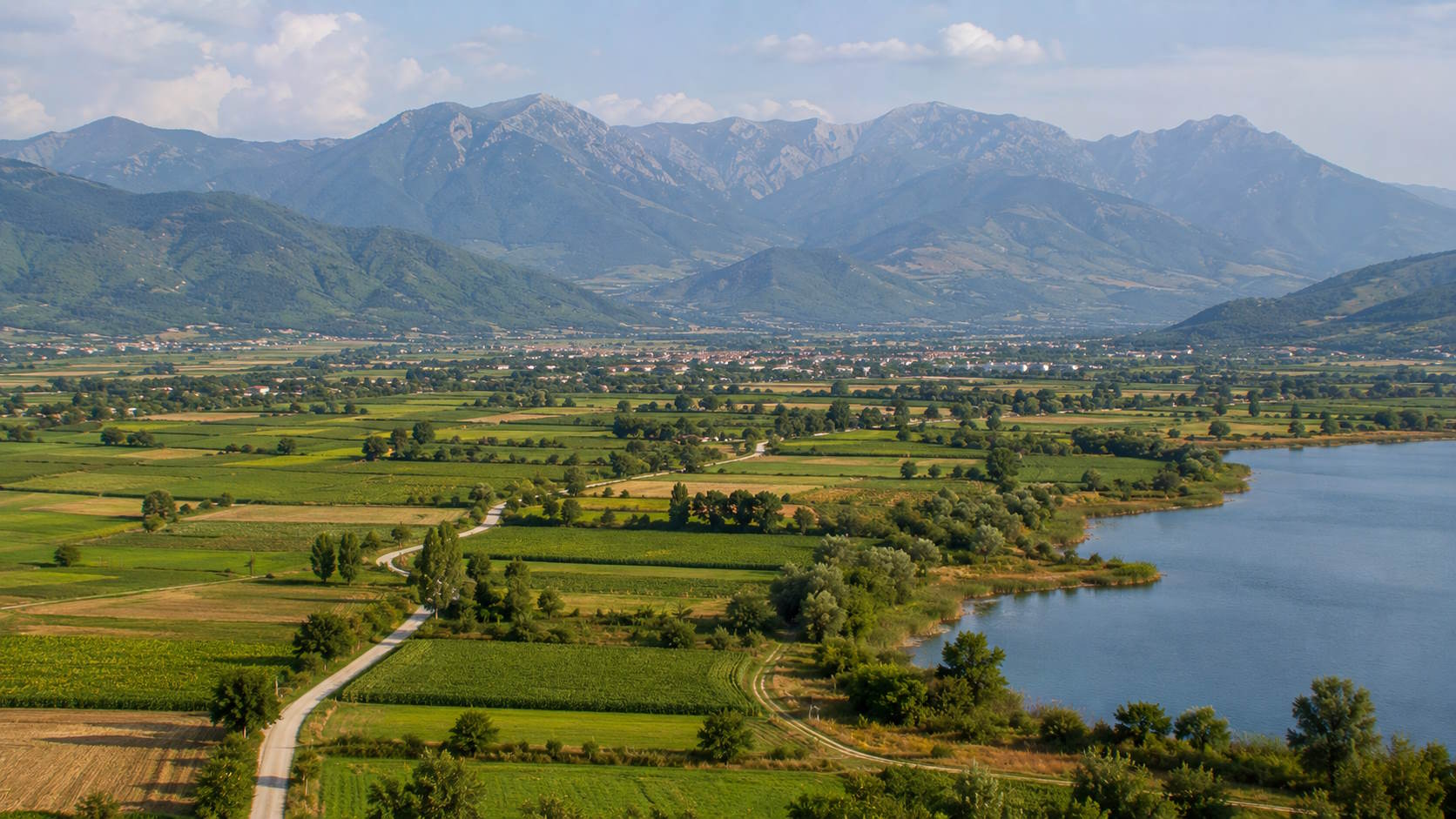
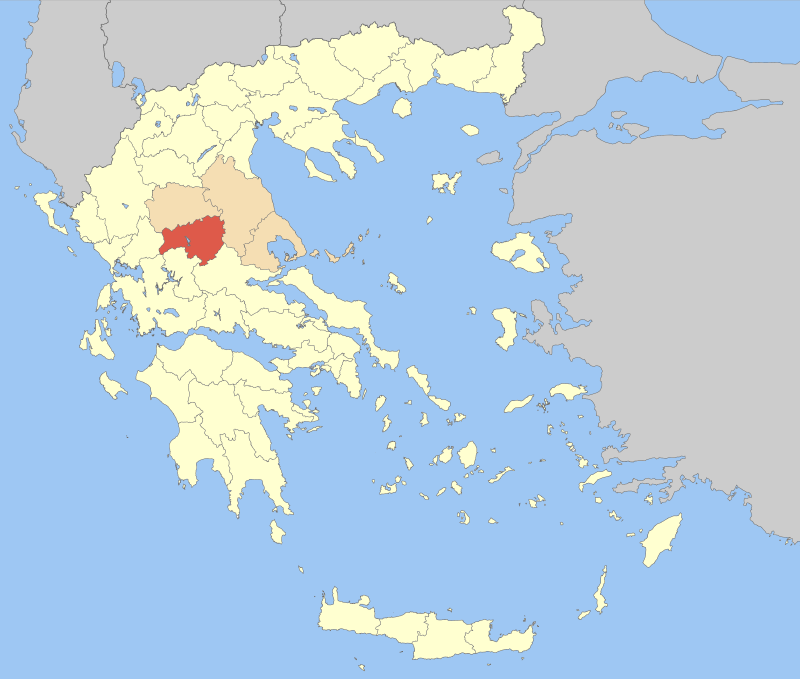
Karditsa is one of the most authentic mainland regions of Thessaly, known for its fertile plains, mountainous landscapes, rivers, lakes and strong agricultural traditions that have shaped local life and culture for centuries. Located in southwestern Thessaly, the region combines natural beauty, rural heritage and important historical landmarks within the heart of central Greece.
The landscape of Karditsa is divided between the vast Thessalian plain and the mountainous areas of Agrafa and Argithea in the west. Forests, valleys, rivers and alpine scenery create one of the most diverse natural environments in mainland Greece, while the Acheloos River and the artificial Lake Plastiras contribute significantly to the region’s identity and ecological importance.
The city of Karditsa serves as the administrative, cultural and commercial center of the region. Known for its relaxed atmosphere, agricultural economy and strong connection to Thessalian traditions, the city maintains an important role in the everyday life of the wider area.
One of the most iconic destinations of the region is Lake Plastiras, often described as one of the most beautiful lakes in Greece. Surrounded by forests, mountain villages and scenic landscapes, the lake has become a symbol of natural beauty, alternative tourism and environmental harmony within Thessaly.
Mountain villages such as Mouzaki, Argithea and the settlements around the Agrafa mountains preserve authentic local traditions, stone architecture, religious heritage and strong community identity. The region is also deeply connected to important historical figures and events, including the Greek hero Georgios Karaiskakis, whose birthplace is located in Mavrommati.
Agriculture and livestock farming remain central to the economy and identity of Karditsa. Wheat, cotton, cereals, legumes and vineyards shape the plains of the region, while pastoral traditions continue across the mountainous areas. Traditional food, local products and village festivals remain deeply connected to everyday Thessalian culture.
Karditsa also preserves important Byzantine and post-Byzantine heritage through monasteries, churches, fortresses and archaeological sites found throughout the region. Areas such as Fanari, Gomfoi and Drakotrypa reflect the long historical continuity of Thessaly from antiquity through the Byzantine era and modern Greece.
Today, communities and diaspora families originating from Karditsa continue to preserve strong emotional and cultural ties with their ancestral homeland, maintaining family roots, local traditions and Thessalian heritage across generations worldwide.
News

Οι τελευταίες ειδήσεις απο karditsalive.net
- Προάστιο: Δεκτό το αίτημα για τη δημιουργία Περιφερειακού Ιατρείου
- Euroleague: Τα αποτελέσματα της 7ης αγωνιστικής και η βαθμολογία
- Conference League: Οκτώ ομάδες έκαναν το δύο στα δύο - Αποτελέσματα και βαθμολογία
- Europa League: Τα αποτελέσματα της 3ης αγωνιστικής και η βαθμολογία
- Ένα γκολ ήταν αρκετό για τον Ολυμπιακό απέναντι στη Σπάρτα Πράγας!