

- Official Website
- prev
- next
Gallery

Regional Identity
Kavala is a historic coastal region of Eastern Macedonia known for its rich multicultural heritage, important archaeological sites, maritime traditions and strategic position between Macedonia and Thrace. Combining mountains, fertile plains, historic ports and Aegean coastlines, the region preserves a unique identity shaped by ancient civilizations, Byzantine heritage and modern Greek history.
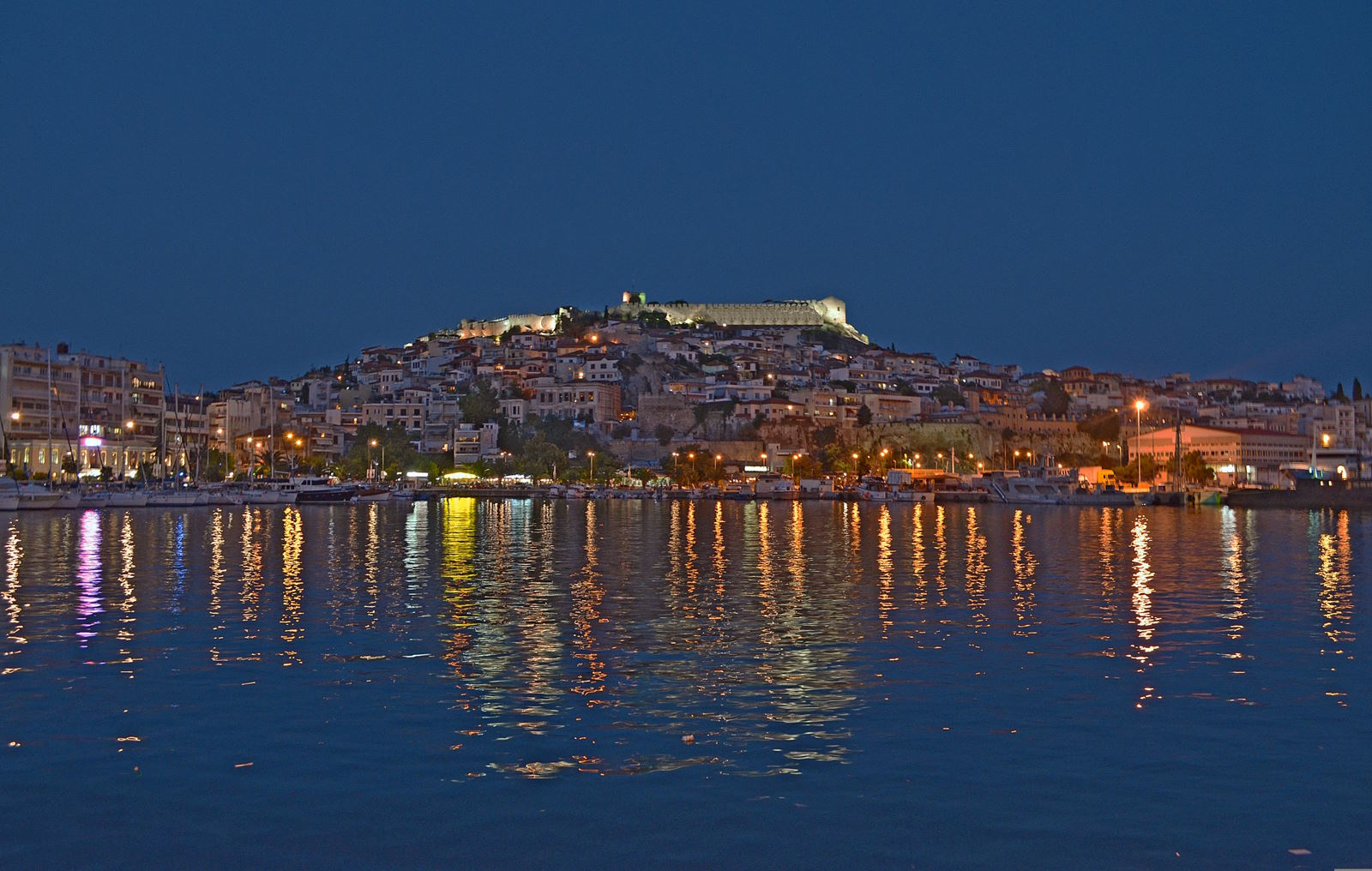
The city of Kavala, built amphitheatrically beneath Mount Symvolo, serves as the cultural, commercial and administrative center of the region. Historically known as Neapolis and later Christoupolis, Kavala played an important role throughout antiquity, the Byzantine period and the Ottoman era. Its harbor, fortifications, aqueducts and traditional districts continue to reflect the diverse historical influences that shaped the city across centuries.
Kavala is deeply connected to early Christian history, as the Apostle Paul first arrived in Europe through the nearby ancient port of Neapolis during his missionary journeys. The nearby archaeological site of Philippi, one of the most important ancient cities of Macedonia and a UNESCO World Heritage Site, remains a central symbol of the region’s historical and spiritual significance.
The wider region combines mountain landscapes, fertile valleys, rivers and beautiful Aegean coastlines. The Pangaion Mountains, historically known for their gold mines, overlook traditional settlements, vineyards and historical monasteries that preserve strong Macedonian cultural traditions. Coastal destinations such as Nea Peramos, Nea Iraklitsa and Keramoti are known for their beaches, fishing traditions and maritime identity.
Traditional architecture, local gastronomy, tobacco trade history and refugee heritage from Asia Minor continue to shape the identity of Kavala and its surrounding communities. Areas such as Panagia district, Eleftheroupoli, Chrysoupoli and the Nestos River region preserve authentic local culture and strong community life connected to Eastern Macedonia.
The wider regional identity of Kavala also remains historically connected with Thassos, the nearby island of the northern Aegean, through maritime trade, administration and shared cultural heritage.
Today, communities and diaspora networks originating from Kavala continue to preserve strong emotional and cultural ties with their ancestral homeland, maintaining Macedonian traditions, family roots and regional heritage across generations.
News

Οι τελευταίες ειδήσεις από kavalapost.gr
- Όταν το μήλο γίνεται τέχνη: 8η Γιορτή Μήλου στον Αμυγδαλεώνα Καβάλας [φωτογραφίες]
- Συνεδρίαση Δημοτικού Συμβουλίου Καβάλας 26.10.2026 [όλα τα θέματα]
- Καβάλα: Ανήλικοι βρήκαν και παρέδωσαν στην Αστυνομία πορτοφόλι χωρίς να δουν καν το περιεχόμενό του
- Αυξημένο το ενδιαφέρον για τα έργα δημοσίου χαρακτήρα του νέου LEADER σε Καβάλα και Θάσο
- Καβάλα: Η νέα Διοίκηση του Συλλόγου Πολυτέκνων Καβάλας [ονόματα]