

- Official Website
- prev
- next
Gallery

Regional Identity
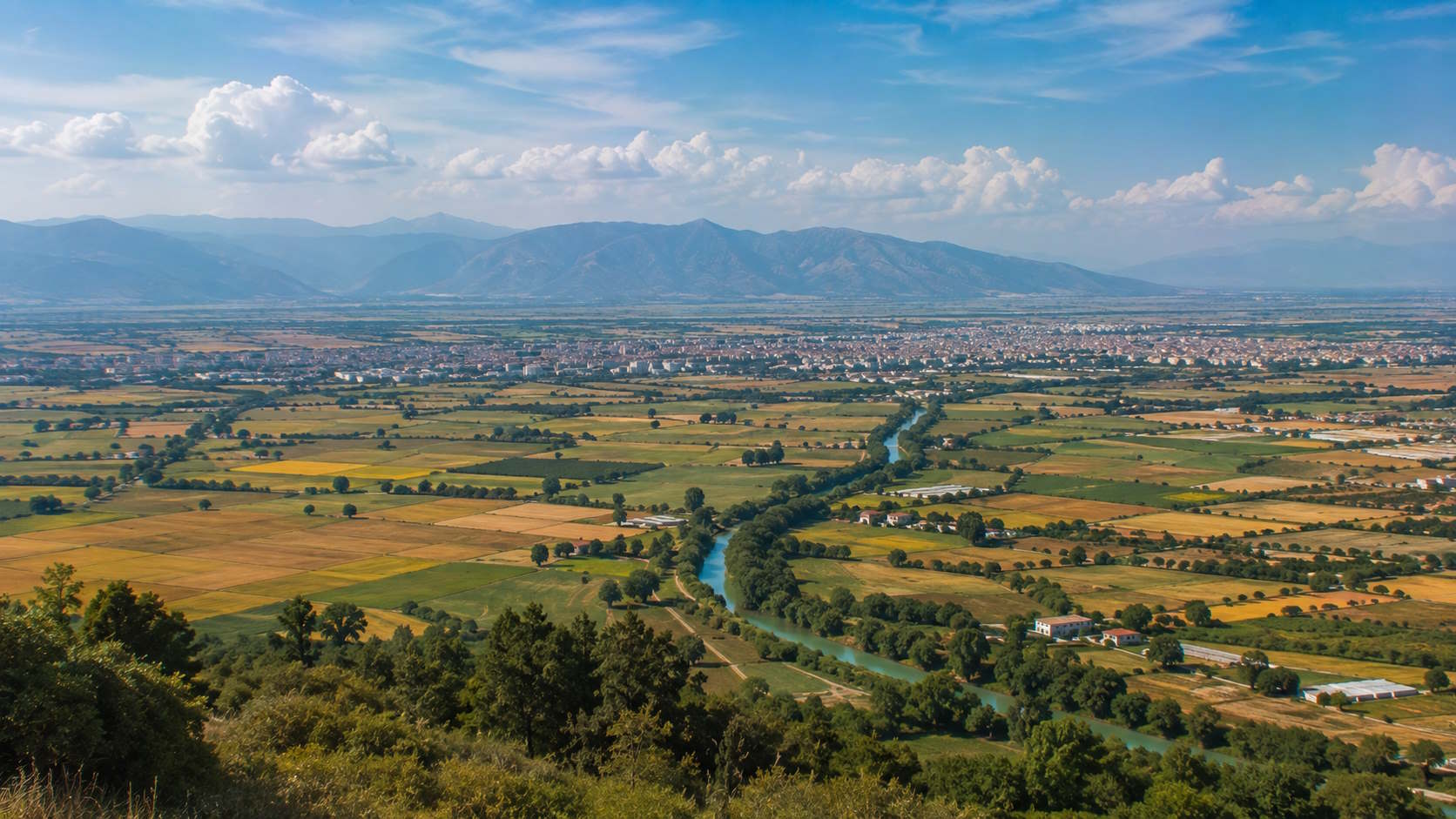
Larissa is the largest and one of the most historically and economically important regions of Thessaly, located in central Greece between Mount Olympus, the Aegean coastline and the vast Thessalian plains. Known for its fertile agricultural land, strong cultural traditions, mountain landscapes and historical significance, the region has played a central role in Greek history and rural life for centuries.
The region is defined by its impressive geographical diversity. Vast plains, including the famous plain of Larissa and the plain of Tyrnavos, are surrounded by major mountain ranges such as Olympus, Kissavos (Ossa) and the Pindos foothills. The Valley of Tempi, located between Mount Olympus and Kissavos, is one of the most iconic natural landscapes in Greece and has held historical, mythological and cultural importance since antiquity.
Larissa, the capital and largest city of the region, is one of the major urban and commercial centers of Thessaly. Built along the Pinios River, the city combines ancient heritage, Byzantine history, modern culture and strong agricultural identity. Archaeological monuments, traditional neighborhoods, theaters and public squares reflect the long historical continuity of the area.
Agriculture remains one of the strongest foundations of the regional identity of Larissa. The fertile plains support the production of cereals, cotton, legumes, fruit, livestock products and wine, making the region one of the most productive agricultural centers in Greece. Traditional villages, local markets and rural customs continue to shape everyday life throughout the region.
The mountainous areas of Elassona, Tempi and Agia preserve authentic Thessalian traditions through stone-built villages, local gastronomy, folklore and religious heritage. Villages such as Ampelakia and Rapsani are known for their historic architecture, wine production and cultural significance. Coastal areas including Agiokampos, Stomio and Kokkino Nero connect the region with the Aegean Sea and maintain long-standing maritime and tourism traditions.
Larissa is also connected to important elements of Greek mythology and history. Mount Olympus, partly located within the region, was considered the home of the Twelve Gods of ancient Greek mythology, while the Valley of Tempi has been celebrated since antiquity for its natural beauty and symbolic significance.
Today, communities and diaspora networks originating from Larissa continue to preserve strong emotional and cultural ties with their ancestral homeland, maintaining Thessalian traditions, family roots and regional heritage across generations.
News

Οι τελευταίες ειδήσεις από onlarissa.gr
- Λάρισα: «Έφυγε» από τη ζωή ο Χρήστος Τζαλαμούρας
- Σκάνδαλο στο μπάσκετ: O Παναγιώτης Γιαννάκης καταθέτει για στημένο παιχνίδι με ομάδα της Λάρισας!
- ΚΕΔΕ: Προειδοποιεί με κινητοποιήσεις, αν δεν αυξηθούν οι Κεντρικοί Αυτοτελείς Πόροι την επόμενη χρονιά
- Η αποστολή της ΑΕΛ για τον αγώνα με την Athens Kallithea
- Ηρακλής: Λύση συνεργασίας με τον Μουράτο