

- Official Website
- prev
- next
Gallery

Regional Identity
Thessaloniki is the historic capital of Macedonia and the cultural heart of Northern Greece. As Greece’s second-largest city and one of the most important urban centers of the Balkans, Thessaloniki has played a major role in Greek, Byzantine, Roman and Balkan history for more than two thousand years.
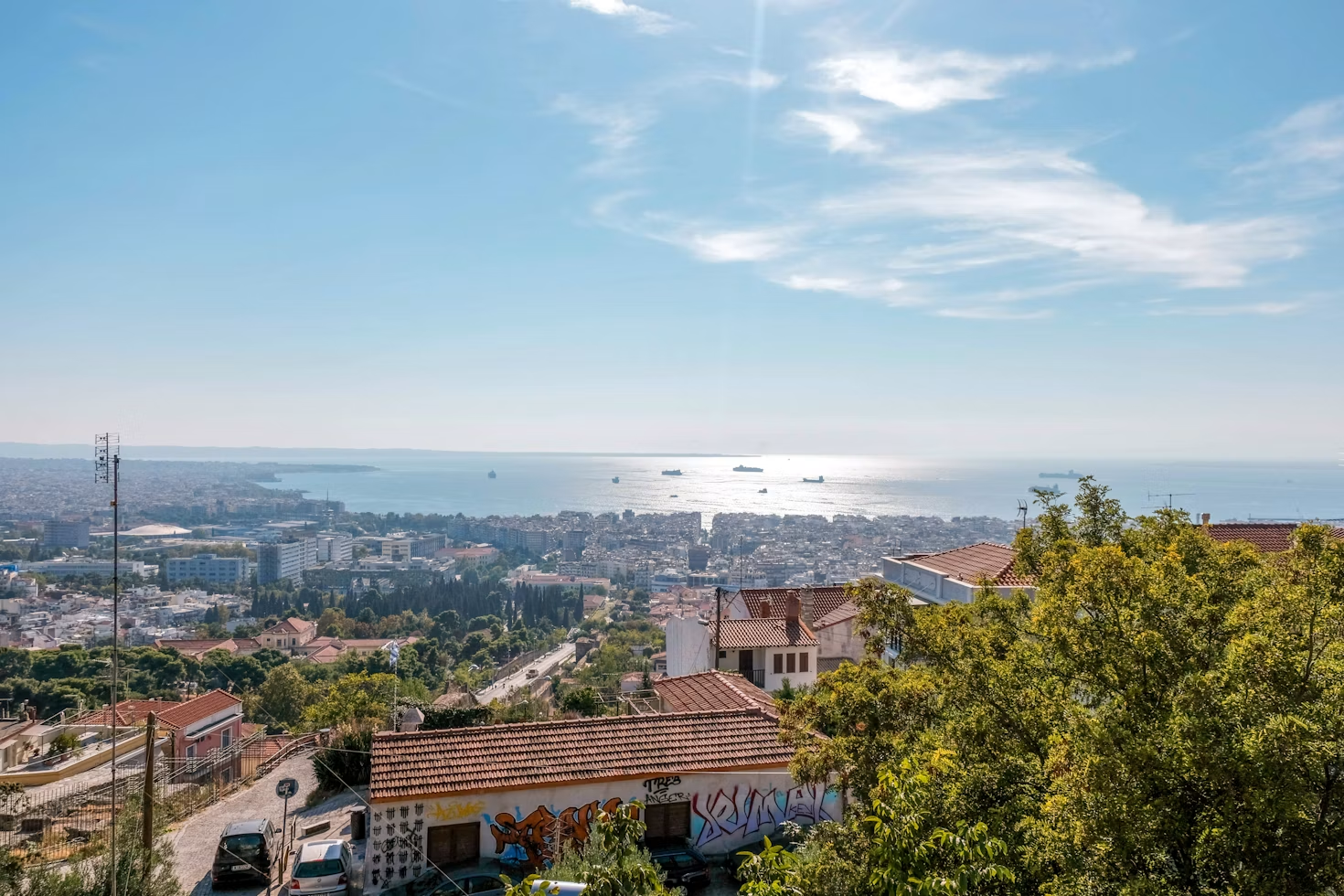
Built amphitheatrically along the Thermaic Gulf, the city combines a unique blend of history, culture, commerce, education and modern urban life. Thessaloniki has long served as a crossroads between East and West, where civilizations, religions and cultures met and shaped the identity of the region. Today, it remains one of the most vibrant and influential cities in Greece.
The city is internationally recognized for its remarkable historical heritage. Byzantine churches, Roman monuments, Ottoman architecture, traditional neighborhoods and neoclassical buildings coexist throughout the urban landscape. The iconic White Tower, the Rotunda, the Arch of Galerius, Aristotelous Square and the Byzantine Walls are among the most important landmarks of the city and symbolize its long historical continuity.
Thessaloniki is also deeply connected to the legacy of Alexander the Great and ancient Macedonia. Named after Thessalonike, the sister of Alexander the Great, the city became one of the most important centers of the Macedonian kingdom and later flourished during Roman and Byzantine times. Its strategic position transformed Thessaloniki into one of the most significant ports and commercial hubs of Southeastern Europe.
The city is widely known for its lively atmosphere, waterfront promenade, cultural festivals, gastronomy and nightlife. Districts such as Ladadika, Ano Poli and the historic market areas preserve the authentic character of Thessaloniki while blending seamlessly with modern city life. Universities, museums, theaters and artistic institutions contribute to the city’s strong intellectual and cultural identity.
Beyond the metropolitan center, the wider regional unit of Thessaloniki includes coastal areas, mountain landscapes, wetlands, agricultural zones and historic towns that contribute to the diversity of the region. The surrounding areas combine natural beauty with strong economic and cultural importance for Northern Greece.
Throughout history, Thessaloniki has maintained strong ties with Greek communities abroad. Diaspora families originating from Thessaloniki and the wider Macedonia region continue to preserve their language, traditions, cultural identity and emotional connection to their ancestral homeland across generations worldwide.
News

Οι τελευταίες ειδήσεις απο thestival.gr
- Χρήστος Κούτρας: Κάποιες απώλειες στη δουλειά μου έπεσαν πολύ βαριές και πέρασα στιγμές μεγάλου άγχους, σχεδόν βάναυσες
- Κώστας Καραμανλής για το καλώδιο: “Καμία άδεια από την Τουρκία – Θα δημιουργήσει επικίνδυνο προηγούμενο”
- Θεσπρωτία: Κλειστός ο δρόμος Ηγουμενίτσα – Πλαταριά λόγω σοβαρής καθίζησης
- Άκης Σακελλαρίου: Θα υποδυθώ τηλεοπτικά μια γυναίκα που θέλησε να απελευθερωθεί και προχώρησε σε αλλαγή φύλου
- Τουλάχιστον τρεις νεκροί από ουκρανικές επιθέσεις με drones στη ρωσική περιφέρεια Μπέλγκοροντ