



- Official Website
- prev
- next
Gallery

Regional Identity
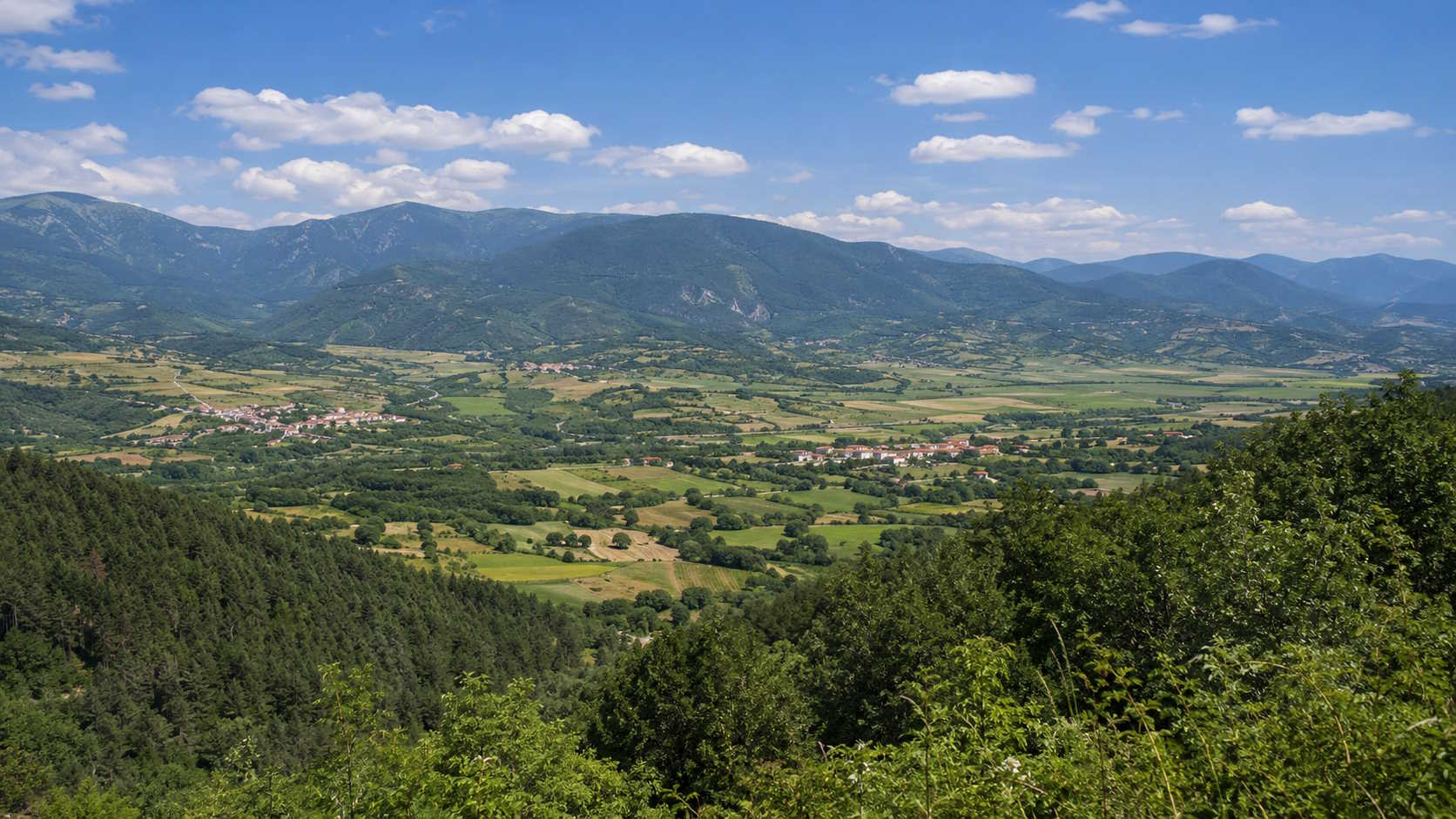
Rodopi is a historic and naturally diverse region of Thrace in northeastern Greece, located between the Rhodope mountain range and the Thracian Sea. Known for its multicultural heritage, mountainous landscapes, wetlands and deep historical roots, the region combines Thracian traditions, Byzantine heritage and rich natural beauty that shape its unique identity.
The region takes its name from the Rhodope Mountains, one of the most important mountain ranges in southeastern Europe, which dominate the northern landscape of Rodopi and create dramatic scenery of forests, rivers, valleys and mountain villages. The area is known for its biodiversity, traditional settlements and strong connection to nature and rural life.
Komotini, the capital of the region and administrative center of Thrace, reflects the multicultural and historical character of Rodopi through its architecture, traditions, markets and cultural diversity. Across the region, archaeological sites, Byzantine monuments, monasteries and ancient settlements preserve the long historical continuity of Thrace from antiquity through the Byzantine and Ottoman periods.
Important historical and cultural sites include Ancient Maronia, Byzantine fortifications, the forests of Nymfaia, Lake Vistonida and the Papikio Mountains, once an important center of Byzantine monasticism. The region is also known for its wetlands, lakes, forests and rich flora and fauna that make Rodopi one of the most ecologically important areas of northern Greece.
Traditional towns and villages such as Sapes, Maroneia, Iasmos and mountain communities throughout Rodopi preserve authentic Thracian customs, local traditions and strong community ties across generations.
Today, communities and diaspora networks from Rodopi around the world continue to preserve strong emotional and cultural ties with their ancestral homeland, maintaining family roots, traditions and Thracian heritage across generations.
News

Οι τελευταίες ειδήσεις από rodopipress.gr