

- Visit Region
- prev
- next
Gallery

Regional Identity
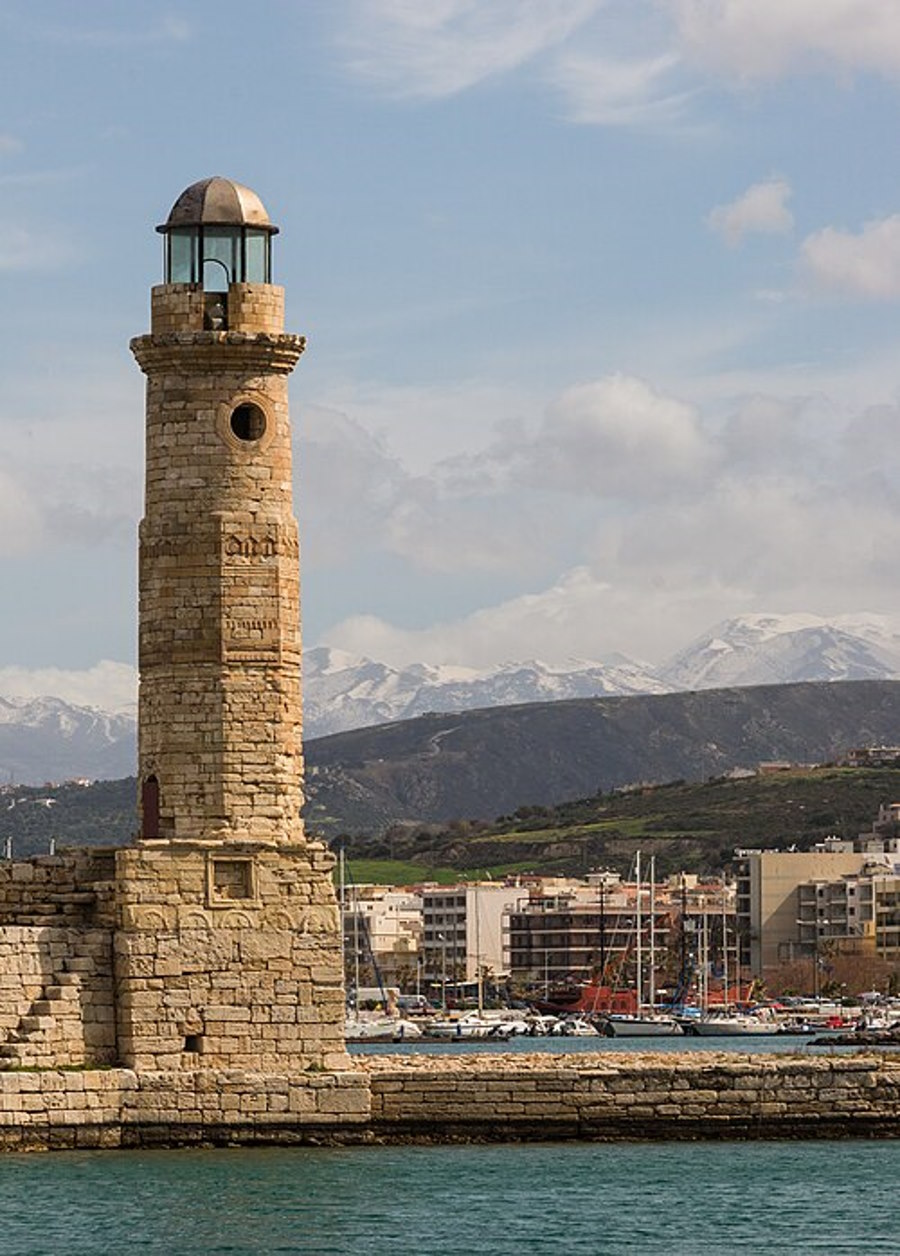
Crete is the largest island of Greece and one of the most historically and culturally significant regions of the Mediterranean. Located between Europe, Asia and Africa, the island has served for centuries as a crossroads of civilizations, shaping a unique identity deeply connected to Greek history, tradition and heritage.
The island is internationally known for the Minoan civilization, considered one of the earliest advanced civilizations in Europe. In 2025, the Minoan Palatial Centres of Crete, including Knossos, Phaistos, Malia, Zakros, Zominthos and Kydonia, were officially inscribed on the UNESCO World Heritage List, recognizing their outstanding global historical importance.
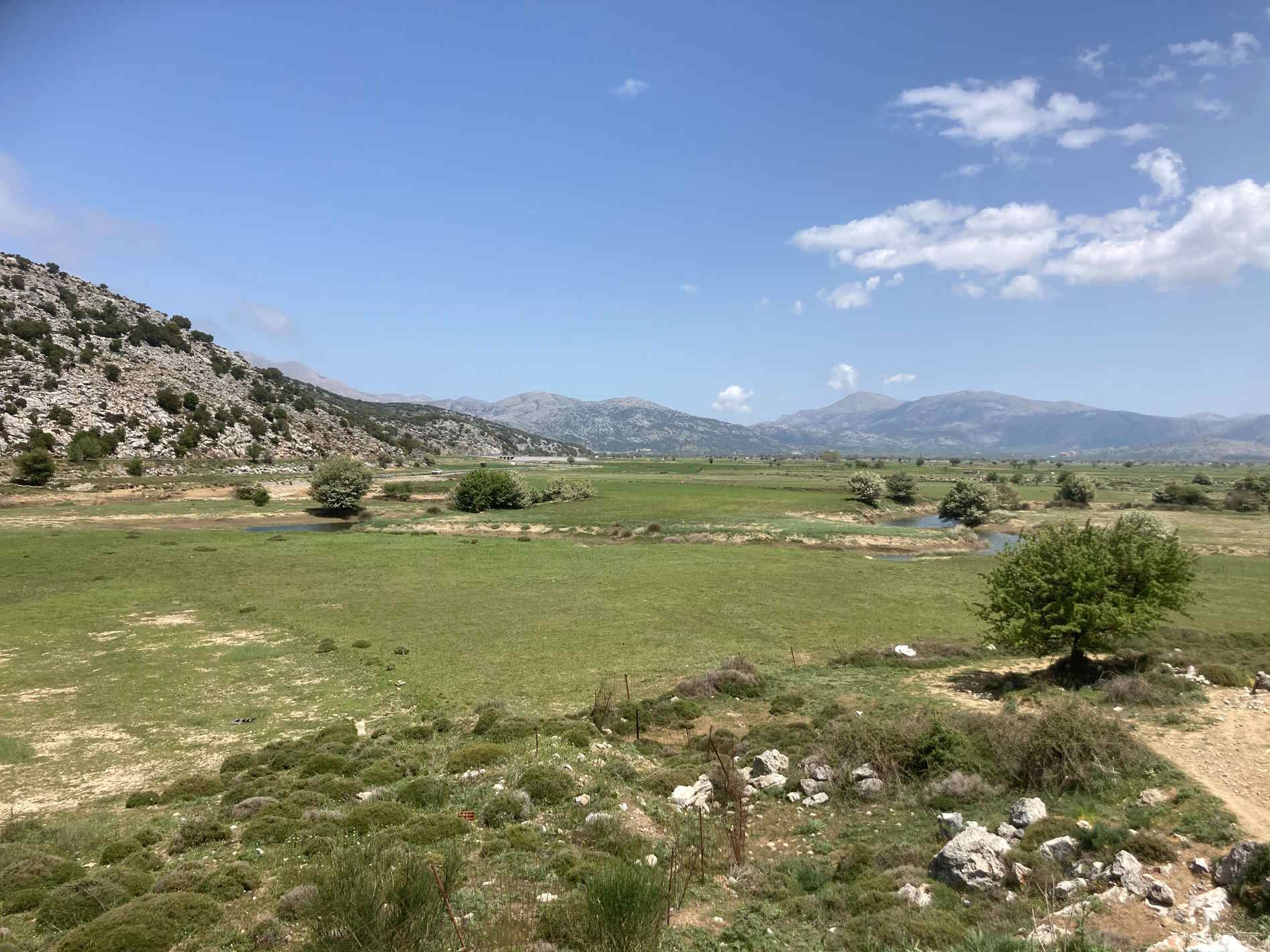
Crete combines impressive mountain landscapes, crystal-clear beaches, traditional villages, historic monasteries, archaeological sites and strong local traditions. The island is also renowned for its warm hospitality, authentic culture and world-famous Cretan cuisine based on olive oil, fresh local ingredients and Mediterranean traditions.
Today, Crete maintains strong emotional and cultural connections with Cretan communities and diaspora networks across the world, representing heritage, family roots and regional identity for generations of Greeks abroad.