

- Official Website
- prev
- next
Gallery
Regional Identity
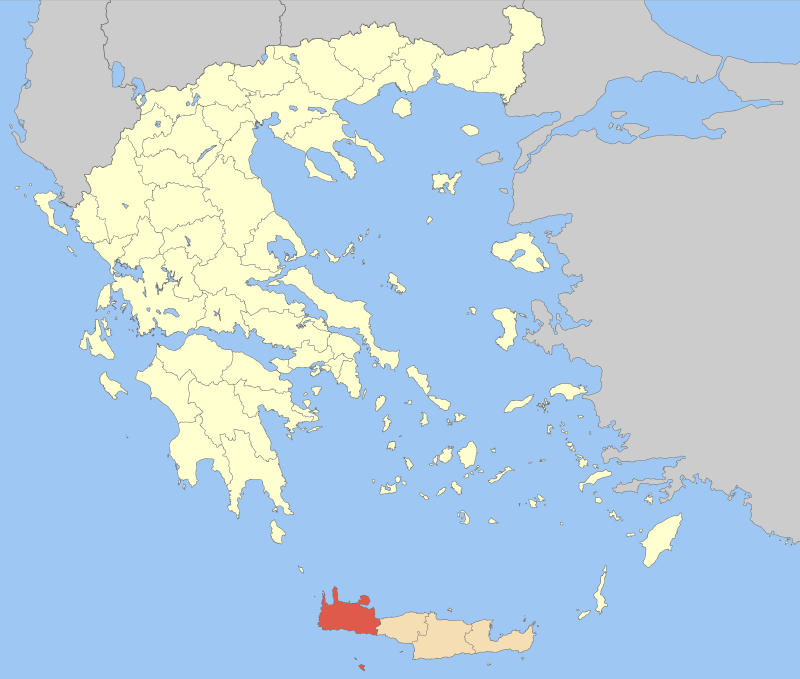
Chania is one of the most historic, scenic and culturally important regions of Crete, located in the westernmost part of the island. Surrounded by the Cretan Sea to the north and the Libyan Sea to the south, the region combines dramatic mountains, deep gorges, traditional villages, archaeological sites and some of the most famous beaches in Greece.
The capital, Chania Town, is considered one of the most beautiful cities in Greece. Built on the site of ancient Kydonia, the city preserves strong Venetian, Byzantine and Ottoman influences through its harbor, old town, narrow alleys, fortifications and historic architecture. The Venetian Harbor of Chania remains one of the most iconic landmarks of Crete and a symbol of the island’s maritime history.
The region is dominated by the Lefka Ori (White Mountains), known locally as the Madares. These mountains shape the identity of western Crete with high peaks, remote villages, plateaus and some of Greece’s most impressive natural landscapes. The highest peak, Pachnes, rises to 2,452 meters, while plateaus such as Omalos and Askifou preserve traditional mountain life and Cretan culture.
Chania is internationally known for its natural beauty and outdoor landscapes. The Samaria Gorge, one of the most famous gorges in Europe, attracts visitors from around the world and forms part of the White Mountains National Park. Other important gorges include Imbros and Agia Irini, connecting mountain villages with the southern coast of Crete.
The region also contains world-famous beaches and coastal destinations such as Balos, Elafonisi, Falassarna, Paleochora, Seitan Limania and Georgioupolis. The coastline combines turquoise waters, exotic lagoons, dramatic cliffs and traditional seaside settlements.
Historically, Chania contains important archaeological and religious monuments connected to the Minoan, Byzantine and Venetian periods. Ancient Aptera, monasteries such as Agia Triada Tsagarolon and Gouverneto, and the graves of Eleftherios Venizelos reflect the region’s historical significance within modern Greek history.
Agriculture, olive oil production, tourism and traditional Cretan cuisine remain central to the regional economy and local identity. Mountain villages across Sfakia, Selino, Apokoronas and Kissamos preserve strong local traditions, music, hospitality and Cretan customs passed through generations.
Today, Greeks originating from Chania and western Crete maintain strong cultural and emotional ties with their homeland through village roots, family traditions, Cretan music, local festivals and shared heritage preserved both in Greece and throughout the global Greek diaspora.
News

Οι τελευταίες ειδήσεις από hania.news
- Κίσαμος | Ιδια κατανάλωση νερού, τριπλάσιος λογαριασμός – «Μεθοδευμένη κλοπή» καταγγέλλουν Σταθάκης, Παρτσαλάκης
- Ενα νομοσχέδιο χωρίς σχέδιο για τον άνθρωπο που παράγει
- ΒΟΑΚ | Παρατείνεται η διακοπή κυκλοφορίας από Νεάπολη έως Ξηρόκαμπο
- Κλειστό το φαράγγι της Σαμαριάς τη Δευτέρα και από τις δύο εισόδους
- Νεότερη ενημέρωση: Εως το απόγευμα οι ισχυρές καταιγίδες στην Κρήτη