
- Official Website
- prev
- next
Gallery

Regional Identity
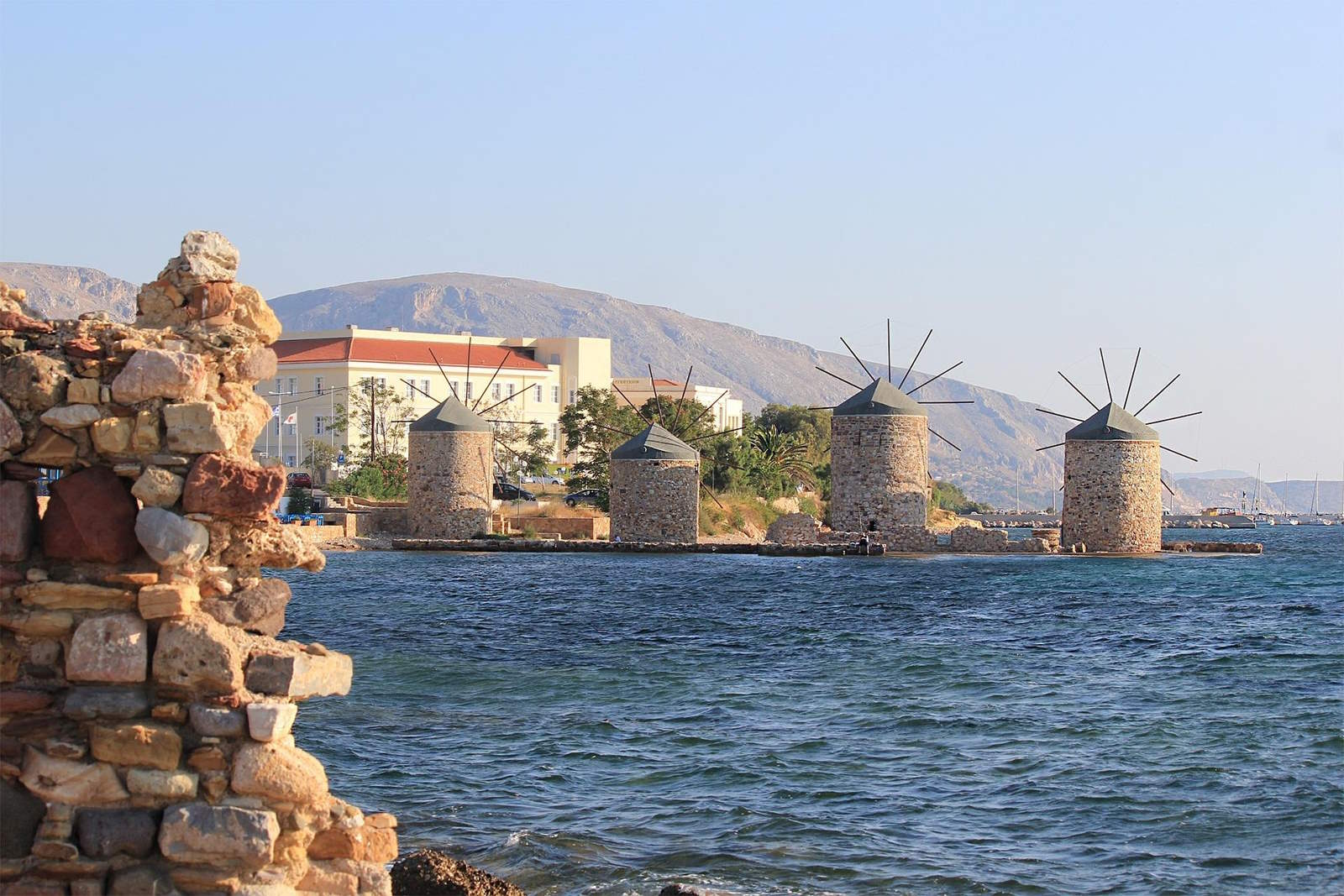
Chios is one of the most historic and culturally distinctive islands of the North-Eastern Aegean, located close to the coast of Asia Minor between Lesbos and Samos. Known internationally for its unique mastic production, maritime tradition, medieval villages and rich cultural heritage, Chios combines natural beauty, history and strong island identity.
The island of Chios is the fifth largest island of Greece and has historically played an important role in shipping, commerce and intellectual life in the Aegean. The capital, Chios Town (Chora), developed through maritime trade and remains the administrative, cultural and economic center of the island.
Chios is geographically diverse. The northern part is mountainous and rugged with forests, valleys and traditional villages, while the southern region is fertile and world-famous for the cultivation of mastic trees. Chios is the only place in the world where natural mastic resin is traditionally produced, making the island internationally recognized for this unique product and its cultural significance.
The medieval villages of the Mastichochoria, especially Pyrgi, Mesta and Olympoi, are among the island’s most important cultural landmarks. These villages preserve fortified medieval architecture, narrow stone streets and unique decorative traditions connected to centuries of local history and protection from pirate raids.
The island is also known for citrus production, especially the famous Chios tangerines cultivated in the Kambos region south of Chios Town. Agriculture, shipping and maritime entrepreneurship have shaped the island’s identity for generations, with many Chian families historically becoming influential figures in global commerce and shipping.
Chios preserves important religious and historical monuments, including the UNESCO-listed Nea Moni Monastery, Byzantine churches, medieval castles and monasteries connected to the island’s long spiritual and cultural history. The island also carries deep historical memory connected to the Massacre of Chios in 1822 during the Greek War of Independence.
Natural beauty is another defining characteristic of Chios. The island offers beaches, volcanic landscapes, mountain villages, caves, wetlands and dramatic coastlines, while nearby islands such as Psara, Antipsara and Oinousses remain closely connected to the wider regional identity and maritime tradition of Chios.
Chios is especially famous for its Easter traditions, including the internationally known Rouketopolemos in Vrontados, as well as strong local customs, music, religious celebrations and hospitality that continue to preserve the island’s authentic character.
Today, Greeks originating from Chios maintain strong emotional and cultural ties with their homeland through family roots, shipping traditions, village identity, religious customs and shared Aegean heritage preserved across generations both in Greece and throughout the global Greek diaspora.