

- Official Website
- prev
- next
Gallery
Regional Identity
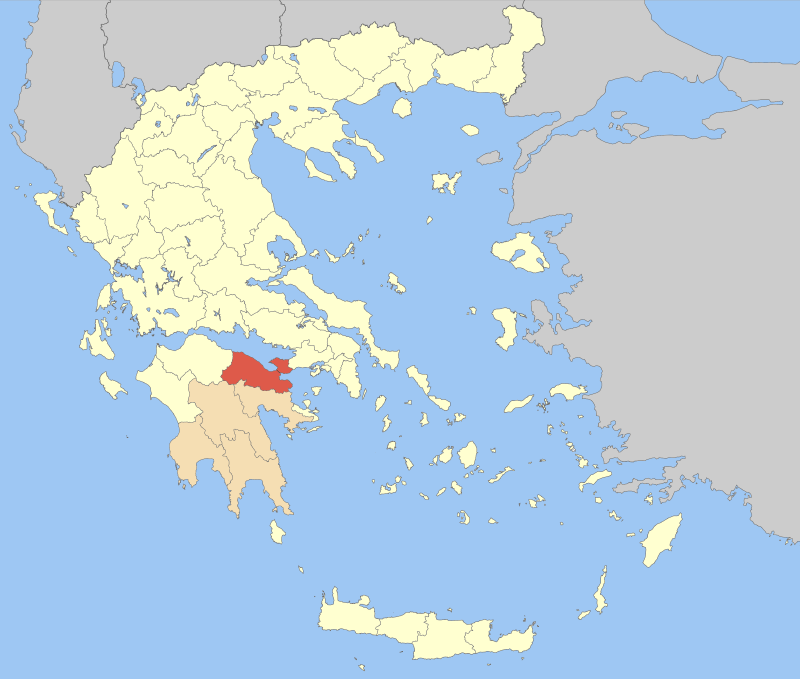
Corinthia is one of the most historically important and geographically strategic regions of the Peloponnese, located between mainland Greece and the Peloponnese peninsula. Positioned between the Corinthian Gulf and the Saronic Gulf, the region has served for centuries as a vital crossroads connecting southern and central Greece.
The capital of the regional unit is Corinth, one of the most significant ancient cities of Greece and an important commercial and cultural center since antiquity. The region combines coastal landscapes, fertile plains, mountains, vineyards, archaeological sites and spa destinations, creating one of the most diverse regions of the Peloponnese.
Corinthia is widely known for the Corinth Canal, one of Greece’s most famous engineering landmarks. Completed in the 19th century, the canal connects the Corinthian Gulf with the Saronic Gulf and transformed maritime transportation between the Ionian and Aegean Seas. The canal remains one of the most recognizable symbols of modern Greek engineering and regional identity.
The region is also internationally associated with Ancient Corinth and Acrocorinth, major archaeological and historical sites connected to ancient Greek civilization, Roman history and Byzantine heritage. Ancient Corinth was one of the most powerful city-states of antiquity, while the fortress of Acrocorinth became one of the most important defensive strongholds in southern Greece across multiple historical periods.
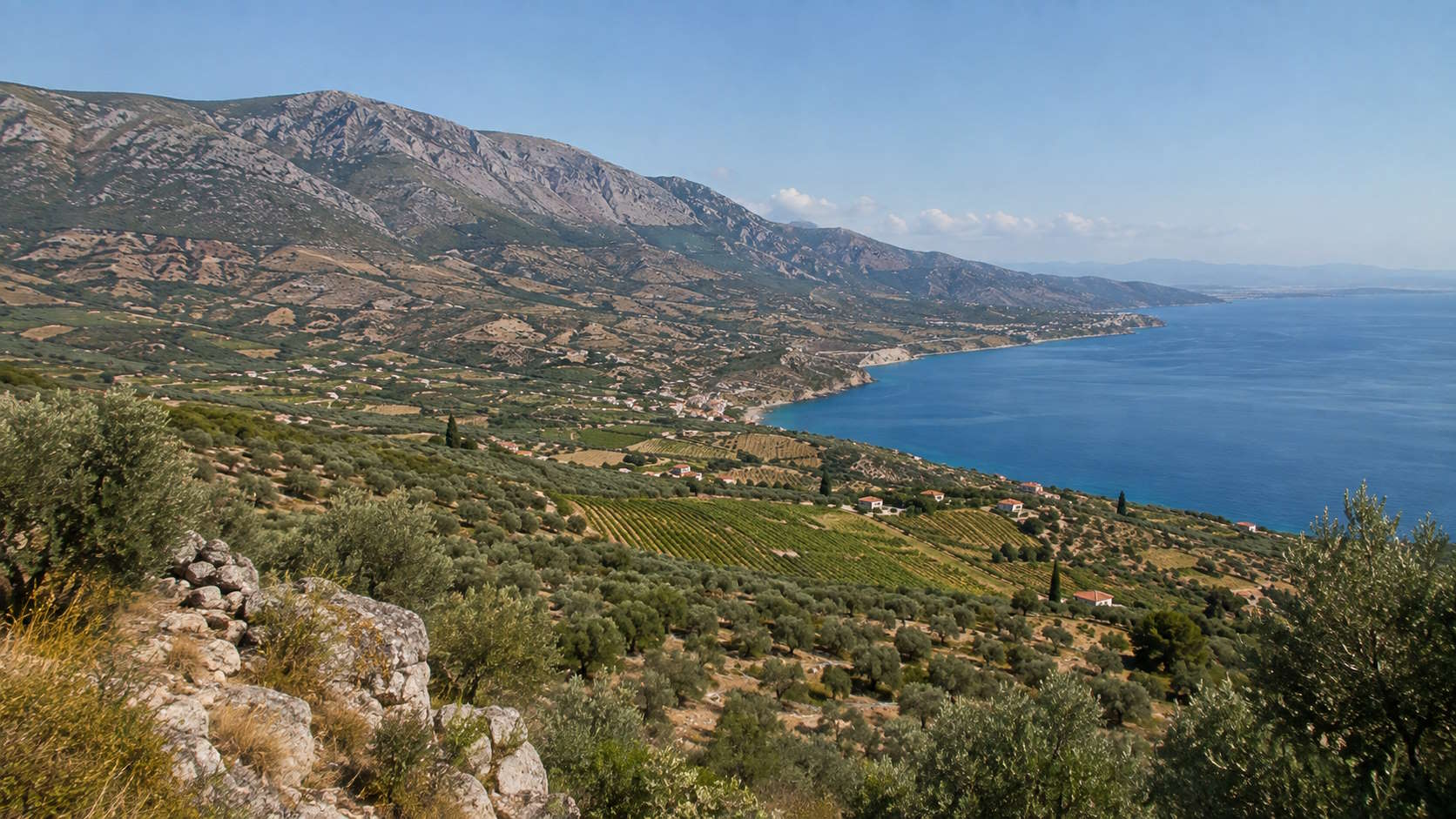
Corinthia is a fertile agricultural region known for vineyards, olive groves, citrus production and wine cultivation. The area of Nemea is one of the most famous wine-producing regions in Greece, internationally recognized for its vineyards and long winemaking tradition connected to the Agiorgitiko grape variety.
Tourism also plays a major role in the regional economy. Coastal destinations such as Loutraki, Xylokastro and the beaches of the Corinthian Gulf attract visitors throughout the year. Loutraki is especially famous for its thermal springs, wellness tourism and seaside atmosphere near Athens.
The mountainous interior of Corinthia includes forests, hiking areas, ski activities near Mount Ziria and traditional villages that preserve local Peloponnesian traditions and culture. Lake Stymfalia and other natural landscapes add to the region’s environmental importance and scenic beauty.
Today, Greeks originating from Corinthia maintain strong ties to their homeland through local traditions, village roots, religious celebrations, family history and cultural heritage preserved across generations both in Greece and throughout the global Greek diaspora.
News

Οι τελευταίες ειδήσεις από korinthostv.gr
- Εγκαίνια των νέων αθλητικών εγκαταστάσεων του Δημοτικού Σταδίου Νεμέας
- Τσουχτερό πρόστιμο για πυρκαγιά σε απορρίμματα στην Επίδαυρο
- Στην τελική ευθεία η μεγάλη έκθεση «ΚΟΡΙΝΘΙΑ – ΠΕΛΟΠΟΝΝΗΣΟΣ 2026»
- Κορινθία: Δρομολόγια των Κινητών Αστυνομικών Μονάδων για την εβδομάδα από 21.9.2026 έως 27.9.2026
- Μοσιά Κορινθίας: Δωρεάν στέγη, ρεύμα και νερό για εκπαιδευτικούς