



- Official Website
- prev
- next
Gallery

Regional Identity
Fthiotida is one of the most historically important regions of Central Greece, located between Thessaly and the southern Greek mainland. Known for the legendary Battle of Thermopylae, mountainous landscapes, thermal springs, fertile valleys and rich historical heritage, the region combines ancient Greek history, natural beauty and strong local traditions that have shaped its identity for centuries.
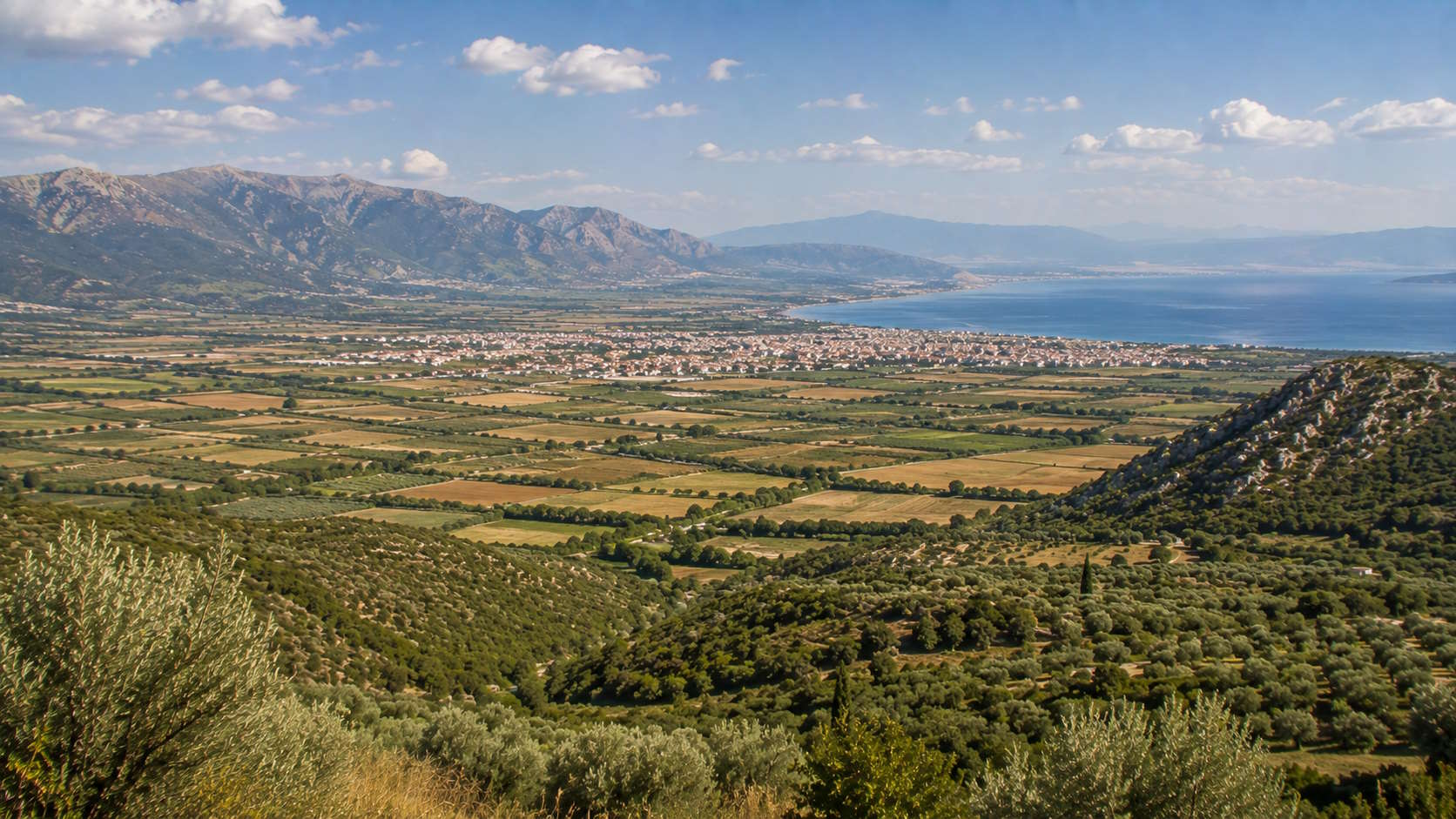
The region stretches from the mountains of Oiti, Kallidromo and Parnassos to the coastline of the Maliakos Gulf and the northern Evoikos Gulf, creating a diverse landscape of forests, rivers, valleys, beaches and mountain villages. The Spercheios River valley forms one of the most fertile agricultural areas of Central Greece and remains closely connected to local farming traditions and rural life.
Fthiotida is internationally known for Thermopylae, one of the most symbolic historical sites of ancient Greece. In 480 BC, King Leonidas and his 300 Spartans, alongside Greek allies, fought against the Persian army of Xerxes in one of the most famous battles in world history. The region remains strongly associated with ideals of bravery, resistance and Greek heritage through the enduring legacy of Thermopylae.
Lamia, the capital of the region and administrative center of Central Greece, serves as the economic and cultural heart of Fthiotida. Built near the slopes of Mount Othrys and the Spercheios Valley, the city preserves historical monuments, Byzantine heritage and strong regional identity connected to both ancient and modern Greek history.
The region is also known for its thermal springs and wellness destinations, including Kamena Vourla, Ypati and Thermopylae, which have attracted visitors since antiquity. Coastal towns such as Agios Konstantinos, Arkitsa and Livanates combine maritime life, tourism and local traditions along the shores of Central Greece.
Mountain villages such as Amfikleia, Kallidromo and the settlements surrounding Mount Oiti preserve authentic local architecture, folklore and traditional lifestyles deeply connected to the mountainous landscape. The National Park of Oiti and the surrounding gorges, forests and hiking routes highlight the region’s ecological richness and outdoor heritage.
Fthiotida also preserves important religious and archaeological heritage through Byzantine monasteries, ancient temples, fortresses and museums that reflect the region’s long historical continuity from antiquity through the Byzantine and modern eras.
Today, communities and diaspora families originating from Fthiotida continue to preserve strong emotional and cultural ties with their ancestral homeland, maintaining family roots, traditions and Central Greek heritage across generations worldwide.
News

Οι τελευταίες ειδήσεις από iLamia.gr
- Γ ΄Εθνική -5οςΌμιλος : Φωκικός -Διαγόρας Αγίας Παρασκευής 0-0: Έμειναν στο μηδέν
- Ποια είναι η κατάσταση του Μοντέρο – Οι δύο τραυματισμοί και η «διαβολοβδομάδα»
- Πώς θα αλλάξουν τα δημοτικά τέλη με το «Πληρώνω όσο πετάω»
- Βρήκε γυαλί 2.1 εκατοστών στο κουλούρι και τραυματίστηκε στο στόμα
- Σεισμός 4,5 Ρίχτερ στη Ζάκυνθο