

- Official Website
- prev
- next
Gallery

Regional Identity
Kefalonia is the largest island of the Ionian Sea and one of the most beautiful and culturally distinctive islands of western Greece. Known for its dramatic landscapes, turquoise beaches, mountain scenery, traditional villages and maritime heritage, the island combines natural beauty, Ionian culture and strong local traditions that have shaped its identity for centuries.
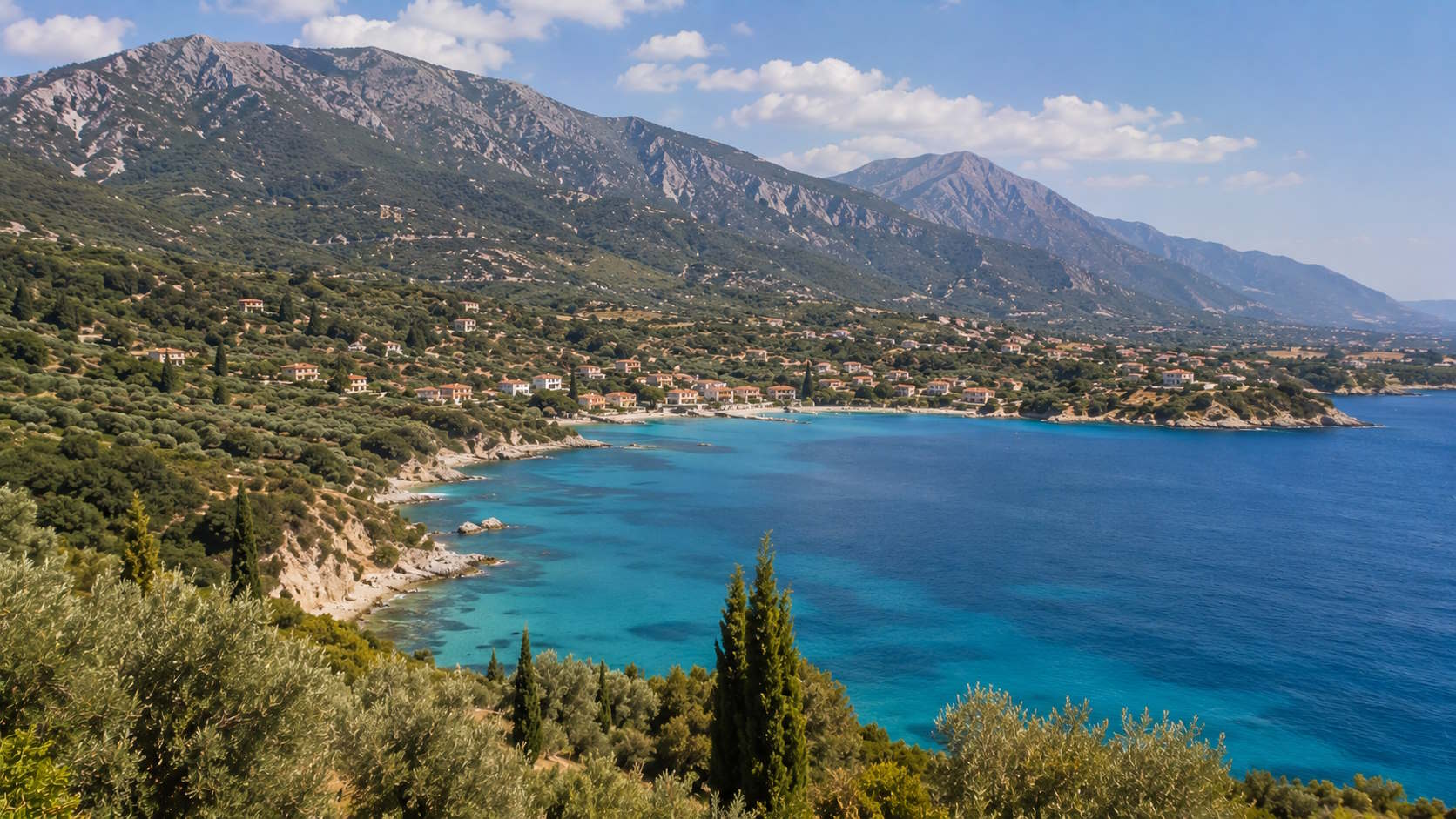
Located in the heart of the Ionian Islands, Kefalonia is characterized by impressive coastlines, deep blue waters, limestone mountains and lush green landscapes. Mount Ainos, the highest mountain of the Ionian Islands, dominates the island’s interior and is covered by the unique Kefalonian fir forest, forming an important part of the island’s natural identity and ecosystem.
The capital and main port of the island, Argostoli, serves as the cultural, commercial and administrative center of Kefalonia. Built around a large natural harbor, the town combines modern island life with Ionian architecture, seaside promenades, traditional tavernas and strong maritime traditions connected to the history of the island.
Kefalonia is internationally known for some of the most iconic beaches in Greece, including Myrtos, Antisamos, Petani and Xi Beach. The island’s coastline combines white cliffs, turquoise waters, hidden coves and picturesque fishing villages that contribute to its global reputation as one of the Mediterranean’s premier island destinations.
Traditional villages such as Assos, Fiskardo, Sami, Agia Efimia and Lixouri preserve the authentic Ionian island character through colorful architecture, narrow alleys, local customs and strong community life. Fiskardo in particular remains one of the few villages largely untouched by the devastating earthquake of 1953, preserving its historic Ionian architectural identity.
Kefalonia is also deeply connected to Greek history, mythology and literature. The island maintains strong links to Odyssean traditions and neighboring Ithaca, while its cultural identity has been shaped by Venetian, Byzantine and Ionian influences throughout the centuries. The island gained additional international recognition through the novel and film Captain Corelli’s Mandolin, filmed partly around Sami and Antisamos.
Natural wonders including the Melissani Cave, Drogarati Cave and the underground geological phenomena of Katavothres further distinguish the island’s landscape and heritage. Wine production, olive cultivation, fishing and local gastronomy remain central parts of Kefalonian culture and everyday life.
Today, Kefalonian communities and diaspora networks around the world continue to preserve strong emotional and cultural ties with their ancestral homeland, maintaining Ionian traditions, family roots and island heritage across generations.
News

Οι τελευταίες ειδήσεις από Kefaloniapress.gr
- Νίκος Ψαρράς στη δίκη Κιμούλη: «Τον είδα να κλωτσάει τη Ζέτα Δούκα, σοκαρίστηκα – Μου ζητάει 300.000 ευρώ, πώς να είμαι ήρεμος;»
- Ιλαρά: Αύξηση 40% στα κρούσματα σε παιδιά κάτω των 5 ετών παγκοσμίως
- Ληξούρι: Ο Τάκης Βασιλάτος παρουσιάζει το «Βίωμα ελιάς»
- Αναστασία Γιάμαλη: «Αν η ευτυχία κρυβόταν στα τούλια ενός νυφικού, θα κυκλοφορούσαμε κάθε μέρα όλες και όλοι με αυτό»
- Οι λίμπες τσι Αγίας Πελαγίας: Ο «λευκός χρυσός» των Σβορωνάτων