

- Official Website
- prev
- next
Gallery
Regional Identity
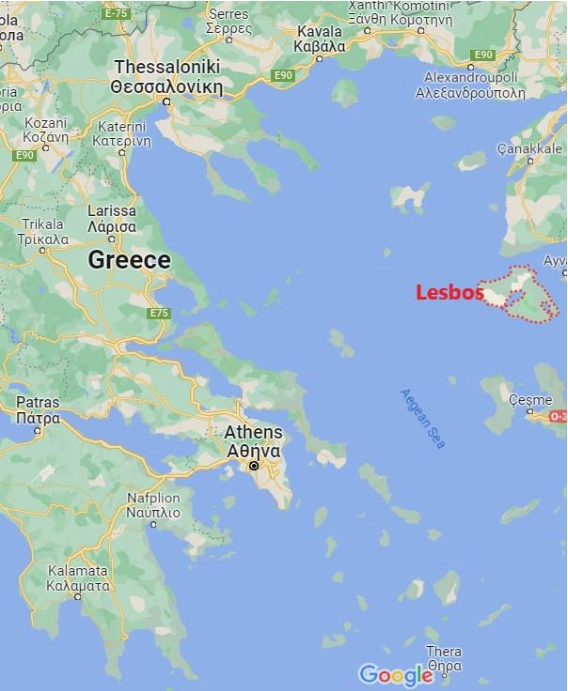
Lesbos is one of the most historic, culturally rich and naturally diverse islands of the North-Eastern Aegean Sea. Located close to the coast of Asia Minor, Lesbos has long served as an important crossroads between civilizations, cultures and maritime routes throughout Greek history.
As the third largest island in Greece, Lesbos combines traditional island life, remarkable landscapes, important historical heritage and strong cultural identity. The island is internationally known for its picturesque towns, traditional villages, olive groves, thermal springs, impressive monasteries and authentic Aegean atmosphere.
The capital of the island, Mytilini, is a vibrant harbor city with strong historical character, colorful architecture and deep maritime traditions. Neoclassical buildings, traditional neighborhoods, Byzantine churches and Ottoman influences coexist throughout the city, reflecting the multicultural history of Lesbos across centuries.
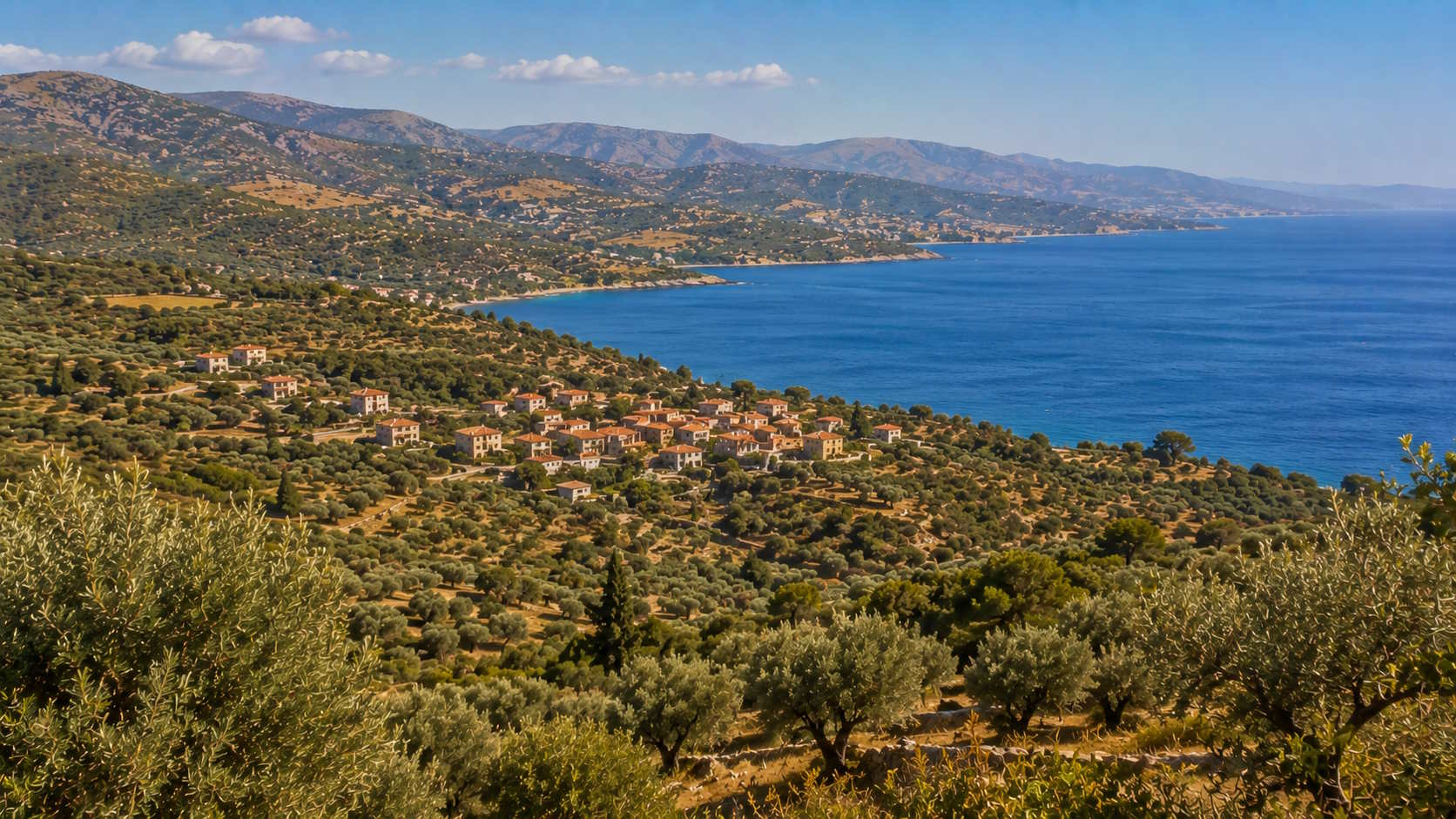
The natural environment of Lesbos is exceptionally varied. Mountains, fertile plains, pine forests, oak forests, olive groves, wetlands, volcanic landscapes and beautiful bays create one of the richest ecosystems in the Aegean. The island is especially famous for its vast olive production, traditional agriculture and local gastronomy.
One of the most important natural monuments of Greece is located on Lesbos: the Petrified Forest of Sigri, a globally significant geological site created millions of years ago through volcanic activity. The island’s volcanic origins have shaped unique landscapes and natural formations that attract visitors and researchers from around the world.
Lesbos is also deeply connected to Greek history, literature, philosophy and the arts. Throughout antiquity and later historical periods, the island became known for its intellectual and cultural contributions to Greek civilization. Traditional music, poetry, festivals and local customs remain strongly preserved in everyday life across the island.
Picturesque villages such as Molyvos, Petra, Plomari, Agiasos and Sigri preserve the authentic architectural and cultural identity of Lesbos. Coastal settlements, fishing harbors, stone-built houses and traditional tavernas contribute to the island’s timeless atmosphere and hospitality.
The island is widely appreciated for its beaches, hiking routes, cultural tourism and maritime traditions. Visitors experience a combination of natural beauty, cultural authenticity and relaxed Aegean island life that distinguishes Lesbos from other Greek destinations.
Across the world, Greek diaspora families originating from Lesbos maintain strong emotional and cultural ties to the island, preserving traditions, language, heritage and family roots across generations.
News

Οι τελευταίες ειδήσεις από lesvosnews.net
- Σήμερα μόνο 10 δείγματα - Και τα 10 αρνητικά!
- Συναγερμός ΤΩΡΑ στη Μυτιλήνη: Απατεώνες παριστάνουν υπαλλήλους του ΔΕΔΔΗΕ – Έκτακτη προειδοποίηση της Αστυνομίας!
- «Να ανοίξουν τα τηλέφωνα όλων!» – Ο Βέρρος απαντά στις καταγγελίες για μίζες: «Υπάρχει σχέδιο εξόντωσής μου»
- Αφθώδης πυρετός στη Λέσβο: Ο Επιχειρησιακός Συντονιστής ανακοίνωσε τον 2ο κύκλο ιχνηλάτηση - Οδηγίες προς τους κτηνοτρόφους
- Λέσβος: Το Κτηματολόγιο μπλοκάρει το ΟΣΔΕ – Κίνδυνος απώλειας εκατομμυρίων σε ενισχύσεις