

- Official Website
- prev
- next
Gallery
Regional Identity
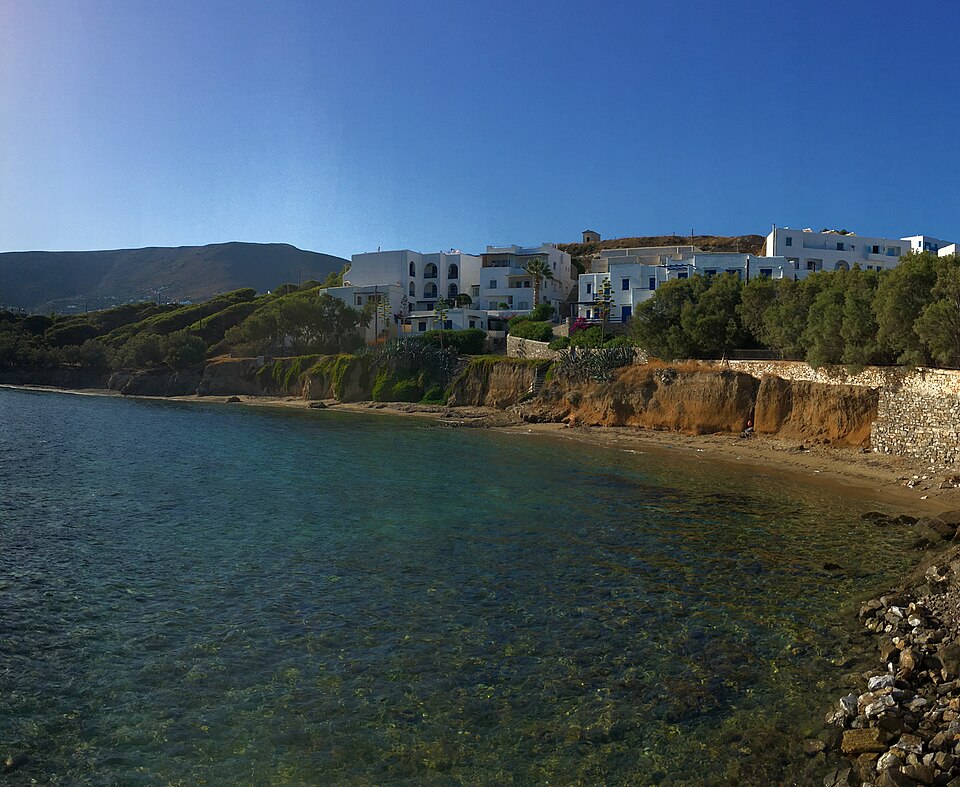
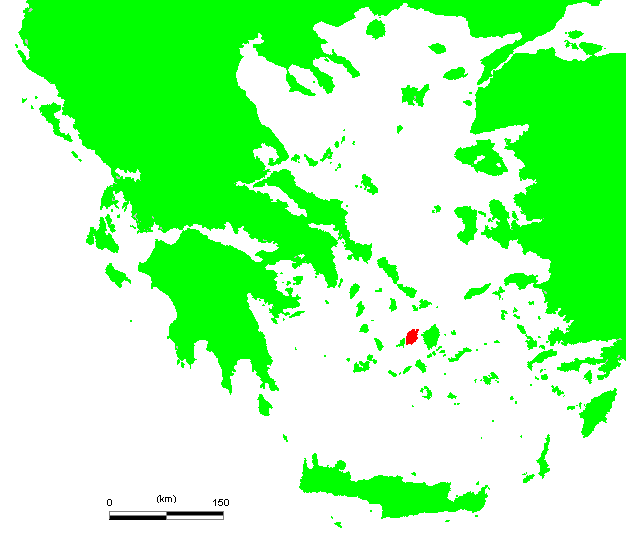
Paros is one of the most beloved island groups of the Cyclades, located in the heart of the Aegean Sea. Known for its traditional Cycladic architecture, beautiful beaches, whitewashed villages and vibrant island atmosphere, the region combines authentic Greek island culture with rich maritime history and strong local traditions.
The wider regional identity of Paros also includes the neighboring island of Antiparos, separated from Paros by a narrow strait and historically connected through shared maritime life, cultural traditions and Cycladic heritage. Together, Paros and Antiparos form a distinctive island region within the central Cyclades.
Paros is home to picturesque towns and villages such as Parikia, Naoussa and Lefkes, each preserving the distinct character of Cycladic life through narrow alleys, white houses, traditional churches and lively harbor areas. Naoussa, once a traditional fishing village, has evolved into one of the most cosmopolitan destinations in the Cyclades while maintaining its authentic island identity and maritime heritage.
Paros is also internationally known for its historic marble quarries near Marathi, which produced the famous Parian marble used in some of the most important sculptures and monuments of ancient Greece. The island preserves a strong cultural connection to craftsmanship, local traditions, religious heritage and island hospitality across generations.
The surrounding landscapes combine sandy beaches, crystal-clear waters, hiking paths, monasteries and traditional settlements that reflect the beauty and diversity of the Cyclades. Antiparos complements the regional identity with its peaceful atmosphere, traditional village life, beautiful beaches, sea caves and untouched natural beauty.
Together, Paros and Antiparos preserve a strong Cycladic identity shaped by seafaring culture, local festivals, island traditions and close-knit communities that continue to define daily life across generations.
Today, Parian and Antiparian communities and diaspora networks around the world continue to preserve strong emotional and cultural ties with their ancestral homelands, maintaining family roots, island traditions and Cycladic heritage across generations.
News

Οι τελευταίες ειδήσεις απο paros24.gr
- Δημήτριος Ντόλκας: Η οικογένεια Γράβαρη στην Πάρο – Από την Κεφαλονιά στην παριανή κοινωνία
- Συνάντηση του Δημάρχου Πάρου Κώστα Μπιζά με την Υπουργό Πολιτισμού Λίνα Μενδώνη
- Ανακοίωση του ΚΚΕ Πάρου για τη συνάντηση του Δημάρχου με την Υπουργό Πολιτισμού
- ΕΝΩΣΗ ΣΥΛΛΟΓΩΝ ΓΟΝΕΩΝ ΠΑΡΟΥ ΓΙΑ ΤΟ ΖΗΤΗΜΑ ΤΩΝ ΣΚΟΥΠΙΔΙΩΝ ΚΑΙ ΤΟΥ ΧΥΤΑ
- Πρόσκληση σε Εκλογοαπολογιστική Γενική Συνέλευση του Συλλόγου Φίλων Στήριξης Κέντρου Υγείας Πάρου Αντιπάρου