

- Official Website
- prev
- next
Regional Identity
Rhodos is the largest island of the Dodecanese and one of the most historic and internationally recognized regions of Greece. Located in the southeastern Aegean Sea, the island combines medieval heritage, ancient history, maritime traditions, cosmopolitan culture and impressive natural landscapes that have shaped its identity for thousands of years.
The wider regional identity of Rhodos also includes the nearby islands of Symi, Halki, Tilos, Kastellorizo and other smaller islands of the southern Dodecanese, which share strong historical, cultural and maritime connections across the eastern Mediterranean.
Rhodos has been inhabited since prehistoric times and played an important role throughout the history of the ancient Greek, Roman and Byzantine worlds. During the medieval era, the island became the seat of the Knights of Saint John, whose presence left a lasting architectural and cultural legacy visible in the castles, fortifications, walls and stone-built settlements across the island.
Rhodos Town, the capital of the island, is one of the best-preserved medieval cities in Europe and a UNESCO World Heritage Site. The fortified Old Town, historic harbors, cobbled streets and monumental buildings reflect centuries of Greek, Byzantine, medieval and Ottoman influence that coexist throughout the city’s identity and architecture.
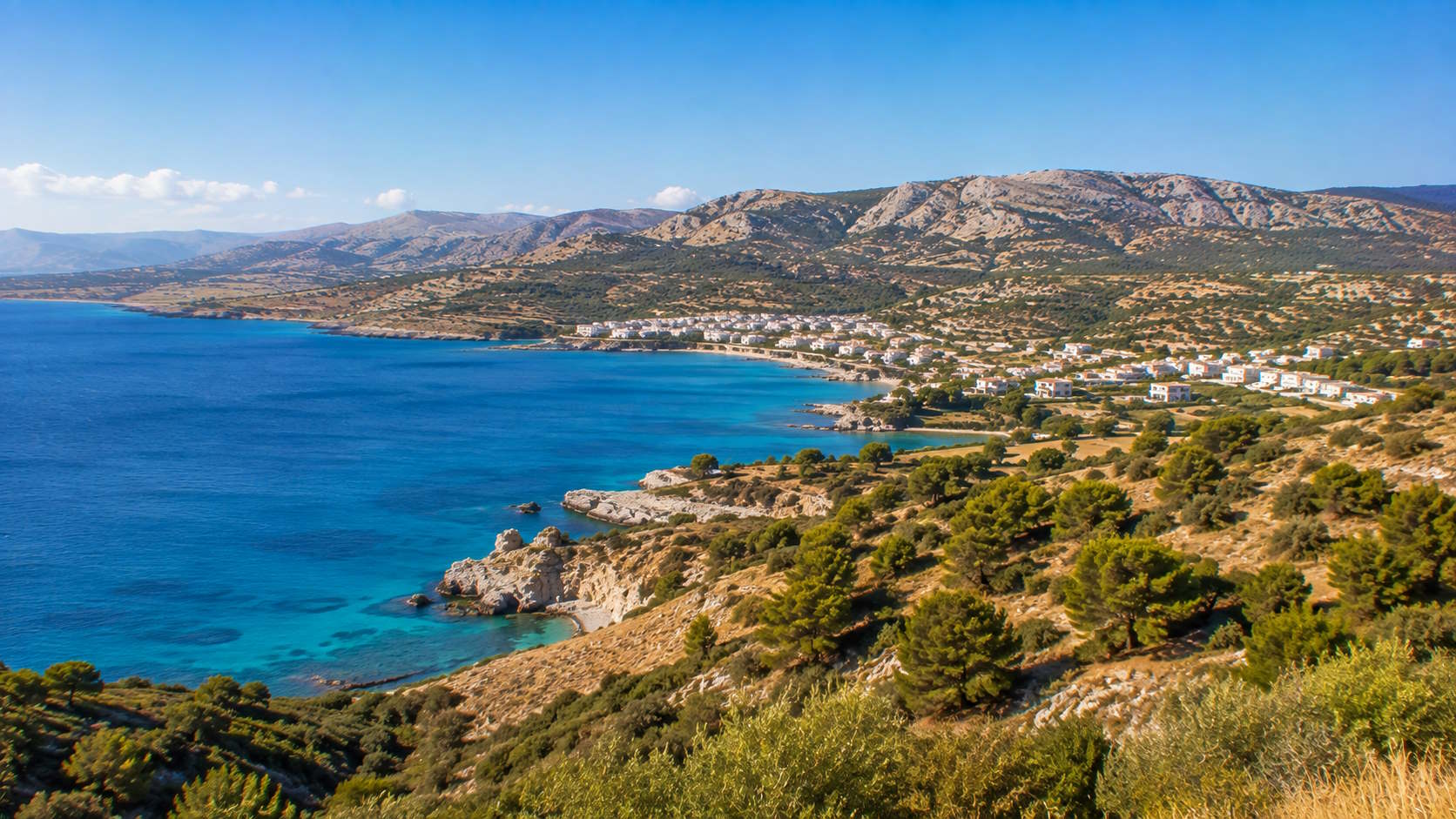
Beyond its historical importance, Rhodos is known for its diverse natural beauty, including mountains, forests, vineyards, olive groves and some of the most famous beaches in the Aegean Sea. Areas such as Lindos, Kamiros, Monolithos, Embonas, Prasonisi and the Valley of the Butterflies preserve strong connections to traditional village life, local customs and Dodecanesian culture.
The island of Symi contributes significantly to the regional identity through its elegant neoclassical harbor, maritime history and historic sponge-diving traditions. Halki and Tilos preserve a quieter and highly authentic island atmosphere rooted in traditional community life and Aegean heritage. Kastellorizo, located at the far eastern edge of Greece, carries exceptional historical and diaspora significance for Hellenic communities around the world.
Together, Rhodos and the islands of the southern Dodecanese form one of the most culturally important maritime regions of Greece, shaped by trade, seafaring, faith, multicultural influences and strong island traditions that continue to define everyday life across generations.
Today, Rhodian and Dodecanesian communities throughout Greece and the global diaspora continue to preserve strong emotional and cultural ties with their ancestral islands, maintaining family roots, island traditions and Dodecanesian heritage across generations.
News

Οι τελευταίες ειδήσεις από rodiaki.gr
- Με τη νίκη στη Διμυλιά, ο Ηρακλής Μαριτσών… ξεκόλλησε από την τελευταία θέση
- Έπεσαν οι υπογραφές για την προγραμματική σύμβαση που αφορά το Κλειστό Γυμναστήριο – Πολυχώρο Εκδηλώσεων και το Ανοιχτό Θέατρο στην Πάτμο
- Ρόδος: Έφυγε από τη ζωή ο Νικόλαος Σκουμιός
- Άλλο ένα «διπλό» στις Καλυθιές για τον ΑΕΡΑ που… βλέπει ψηλά
- Αλ. Κολιάδης για την τιμή της βενζίνης στη Ρόδο: «Μήπως μένουμε…σε άλλη χώρα;»