
- Official Website
- prev
- next
Gallery

Regional Identity
Trikala is one of the most historically rich and naturally diverse regions of Thessaly, located in central mainland Greece between the fertile Thessalian plain and the majestic Pindus mountain range. Known for its unique balance of mountain landscapes, rivers, traditional villages, cultural heritage and religious monuments, Trikala represents one of the most important destinations of inland Greece.
The region is internationally famous for Meteora, one of Greece’s most iconic landmarks and a UNESCO World Heritage Site. The towering rock formations and historic monasteries of Meteora create one of the most extraordinary spiritual and natural landscapes in the world, attracting visitors from across the globe. The nearby town of Kalambaka serves as the gateway to this remarkable region and remains closely connected to its religious and cultural heritage.
The city of Trikala, the capital of the regional unit, is one of the most modern and vibrant cities of Thessaly while preserving strong historical roots. Built around the Litheos River, the city combines Byzantine monuments, traditional neighborhoods, neoclassical architecture and lively public spaces. Historic landmarks such as the Byzantine Fortress, Varousi district and Ottoman-era monuments reflect the many civilizations that shaped the region over centuries.
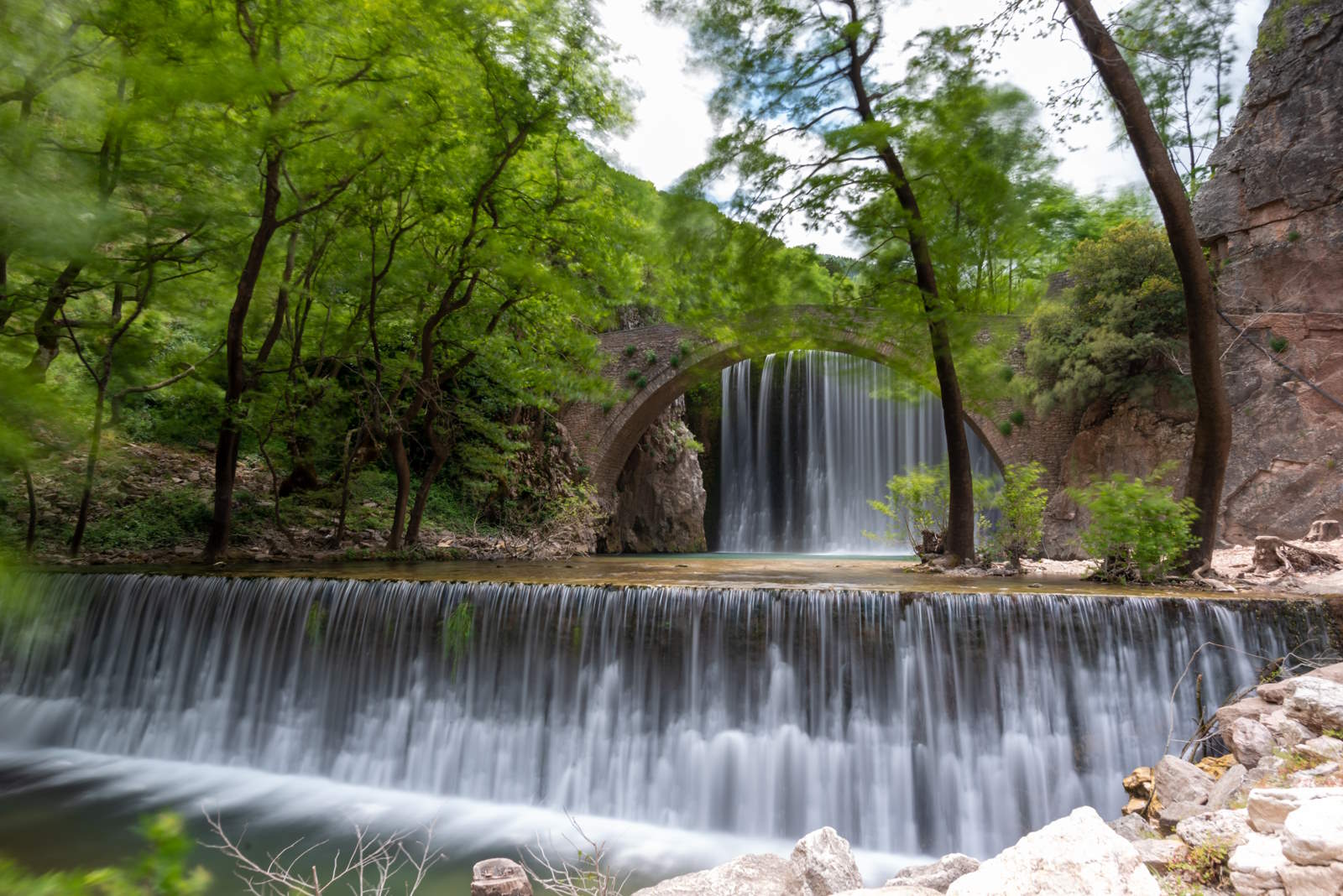
The wider area of Trikala is characterized by exceptional natural beauty. The mountainous regions of Pertouli, Elati, Pili and Aspropotamos are known for dense forests, rivers, alpine landscapes and traditional stone-built villages that preserve authentic Thessalian and Vlach cultural traditions. During winter, the Pertouli ski area becomes one of the most popular mountain destinations in mainland Greece.
Trikala is also strongly connected to Greek mythology and history. The region is traditionally associated with Asclepius, the god of medicine, while the fertile Thessalian plains have supported agriculture, livestock and local communities since antiquity. Cotton production, farming and traditional local products remain important elements of the regional economy and identity.
Throughout the region, local customs, folk music, festivals and traditional cuisine continue to preserve the cultural identity of Thessaly across generations. Villages and towns maintain strong community ties rooted in mountain life, religious traditions and regional heritage.
Today, diaspora communities from Trikala around the world continue to preserve close emotional and cultural ties with their ancestral homeland, maintaining Thessalian traditions, family roots and regional identity across generations.